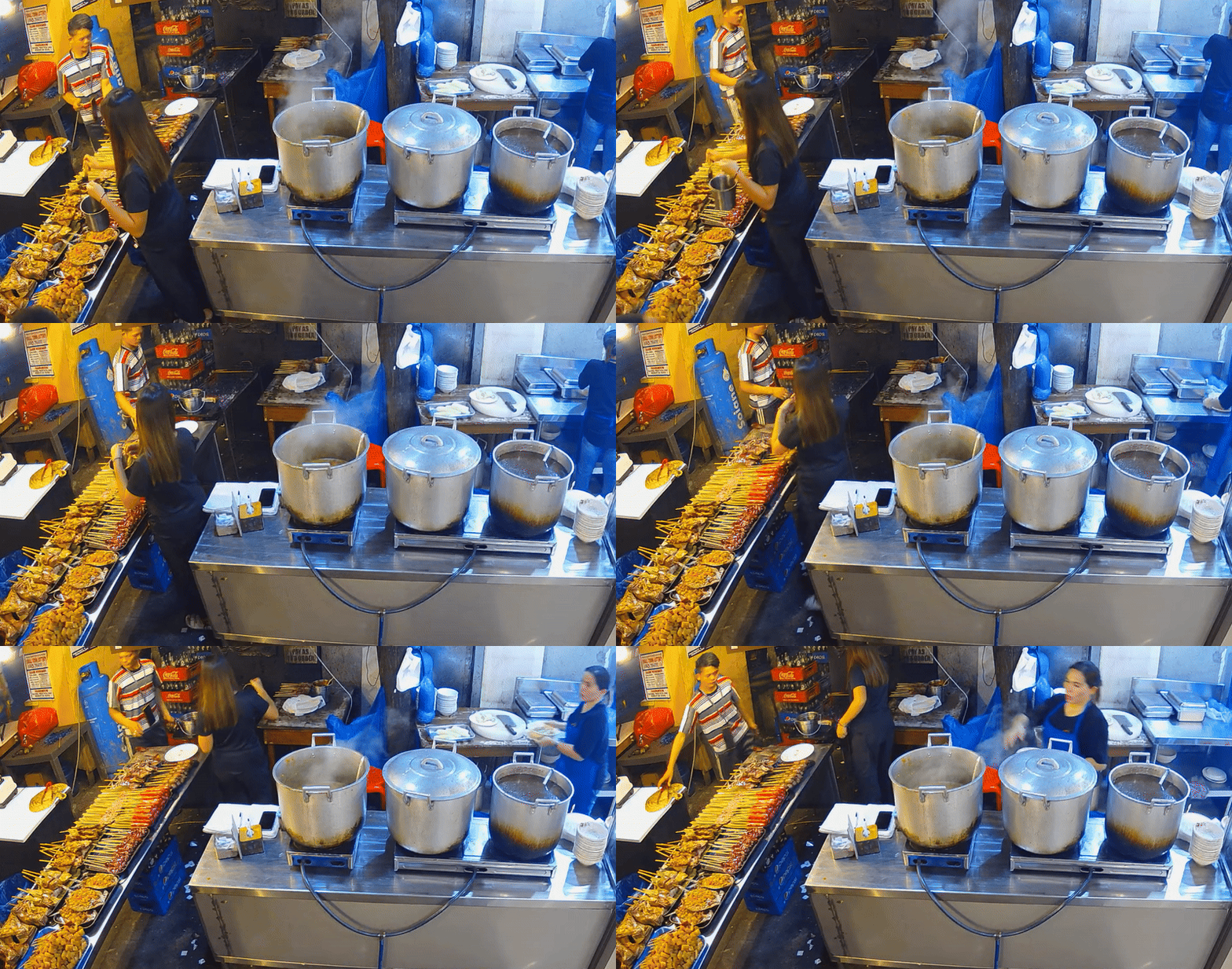
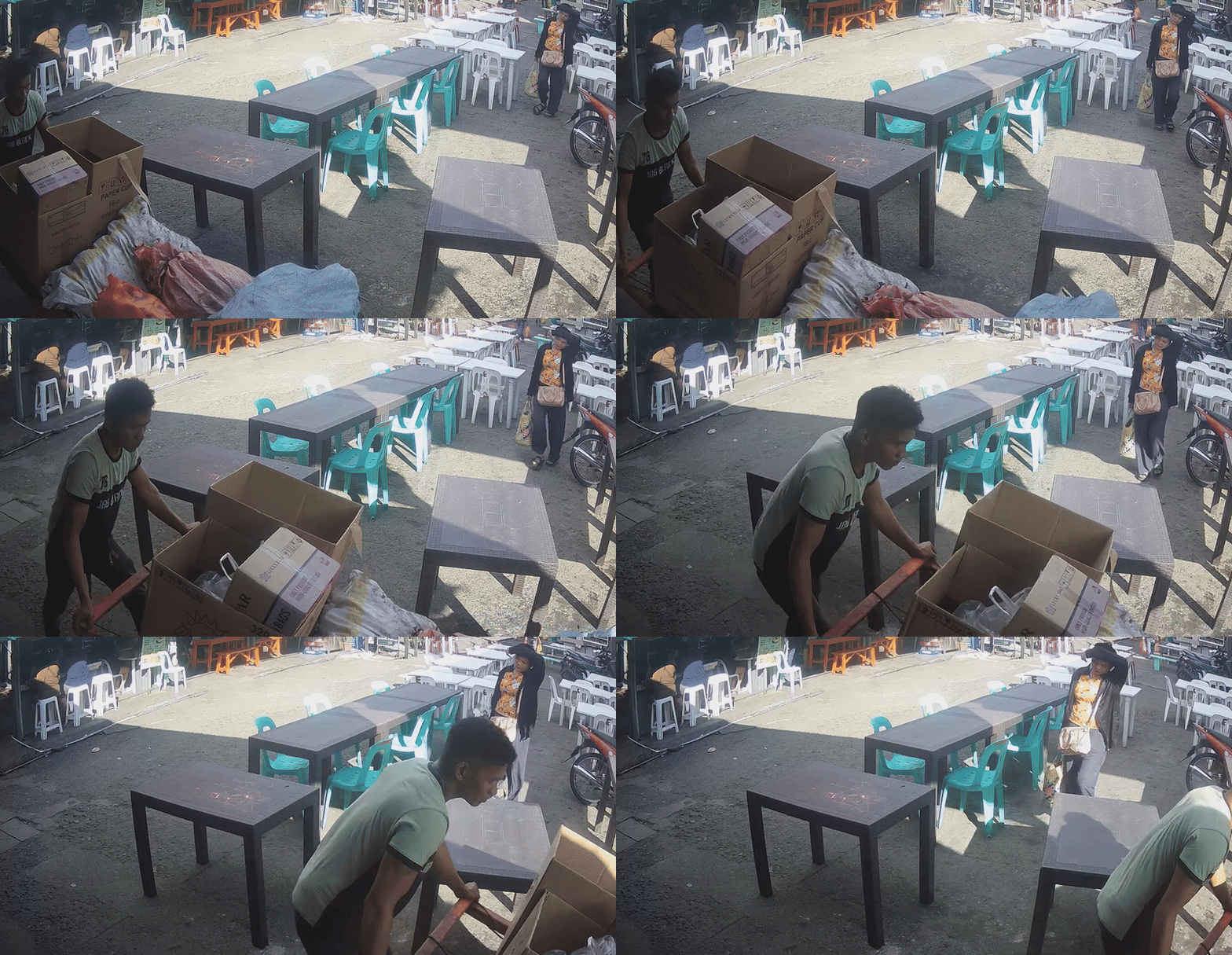
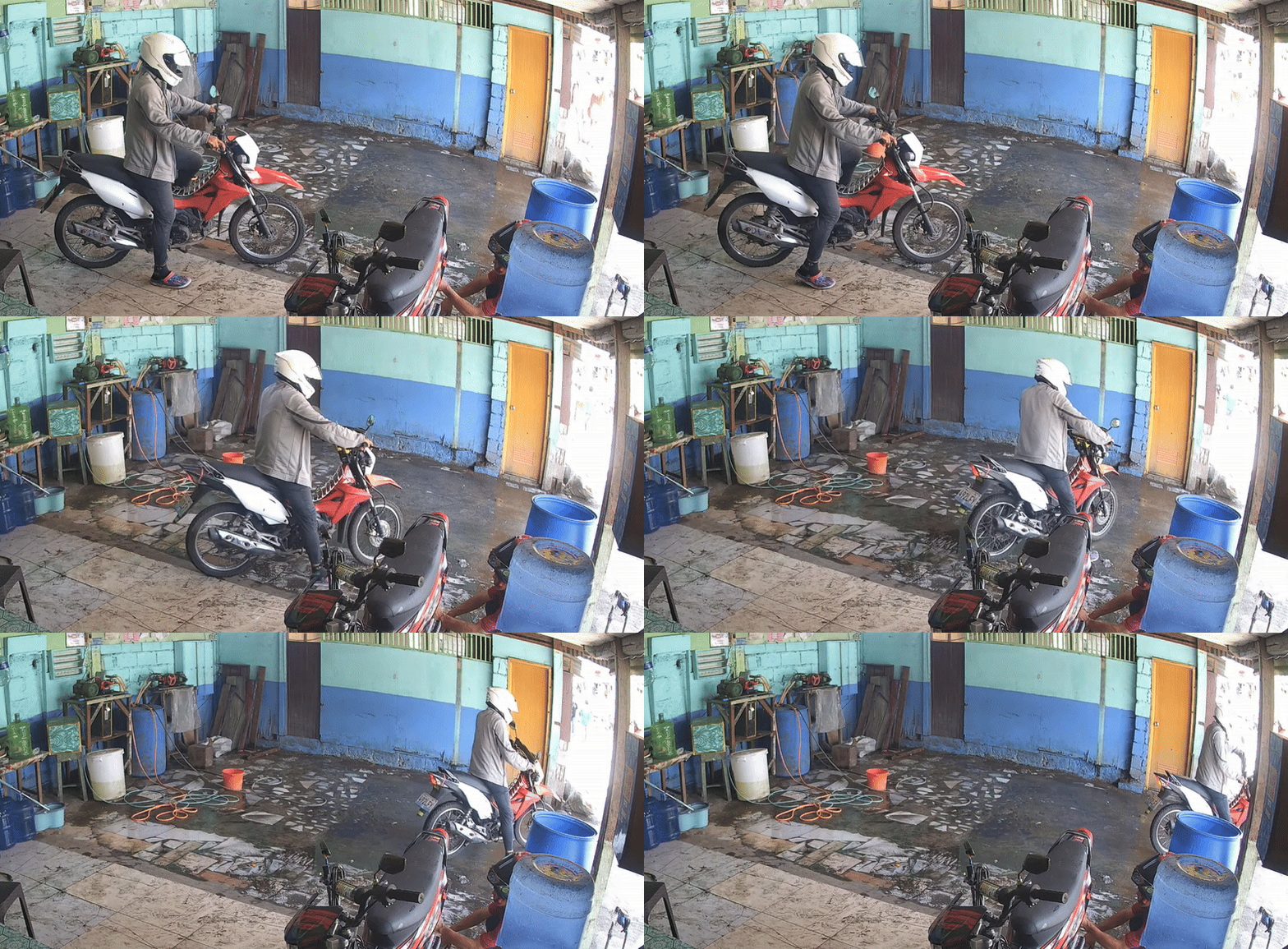
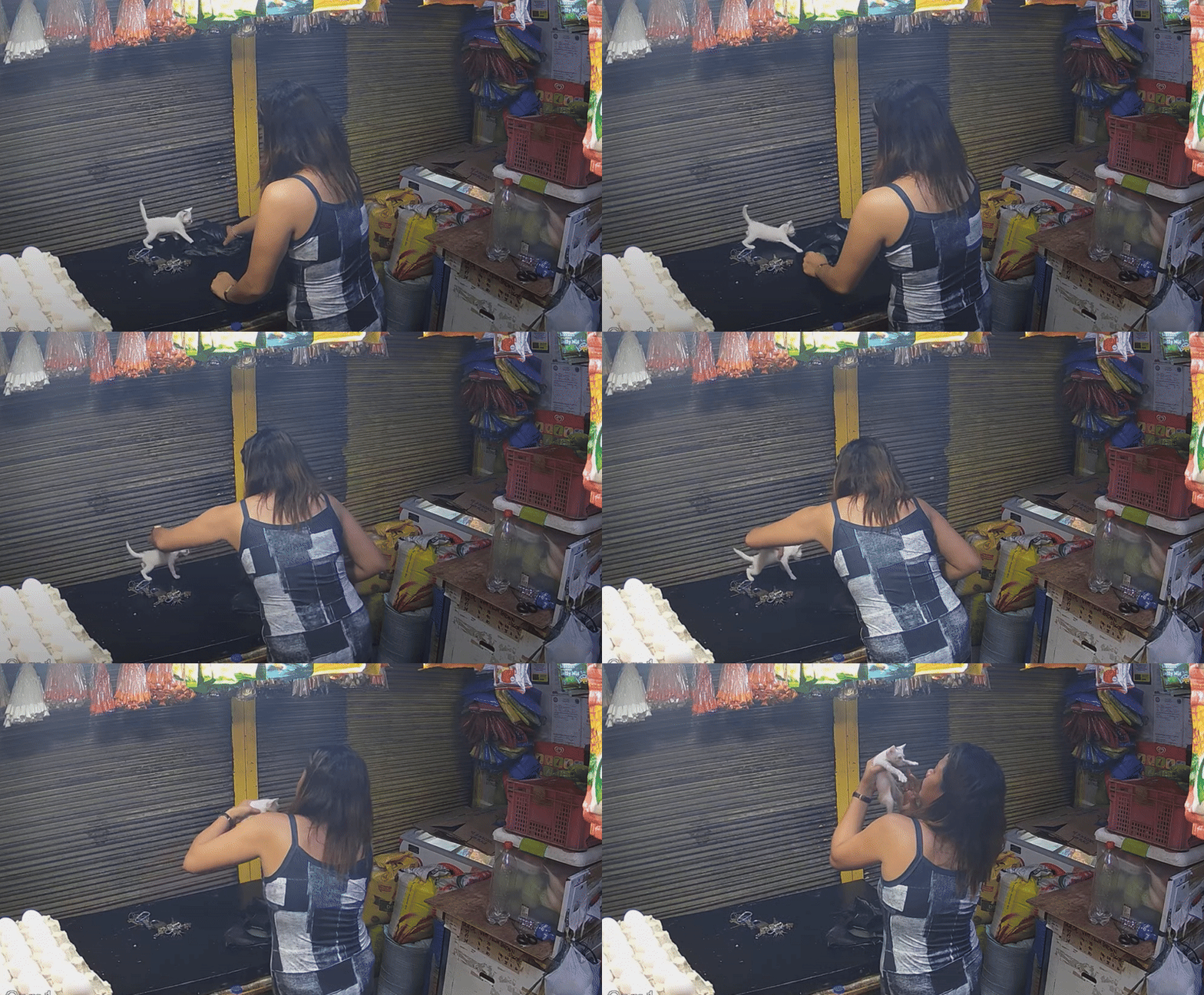
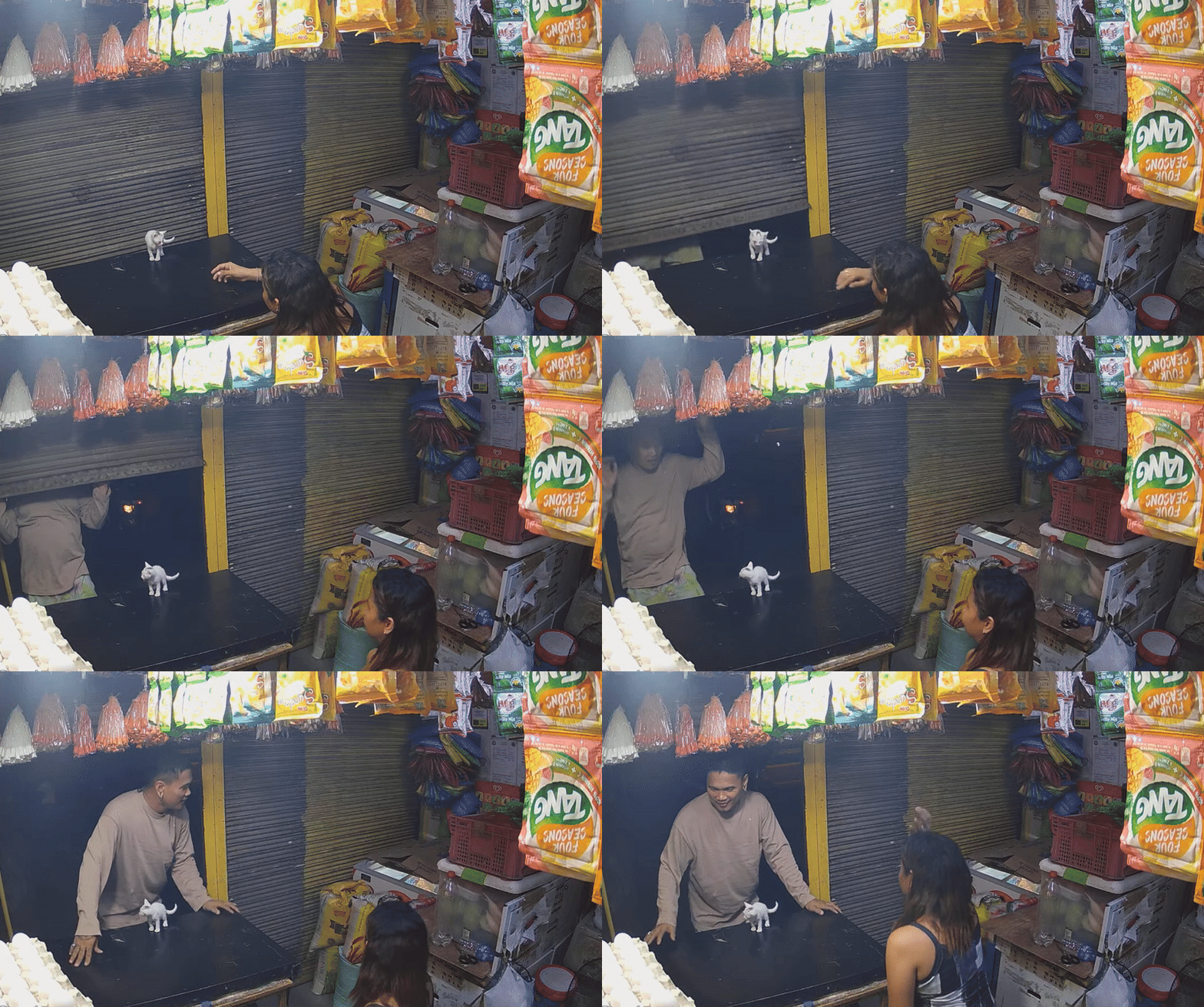
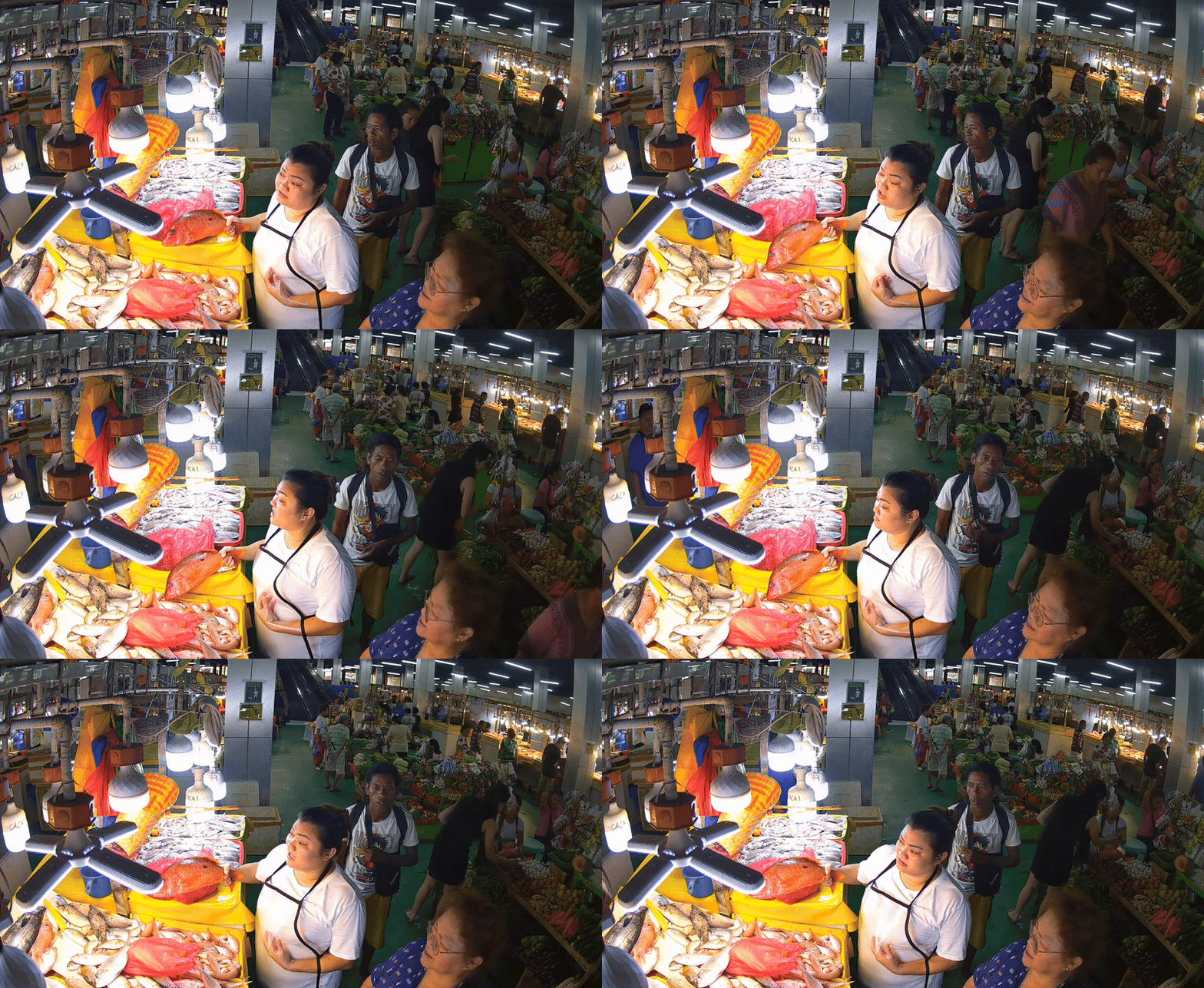
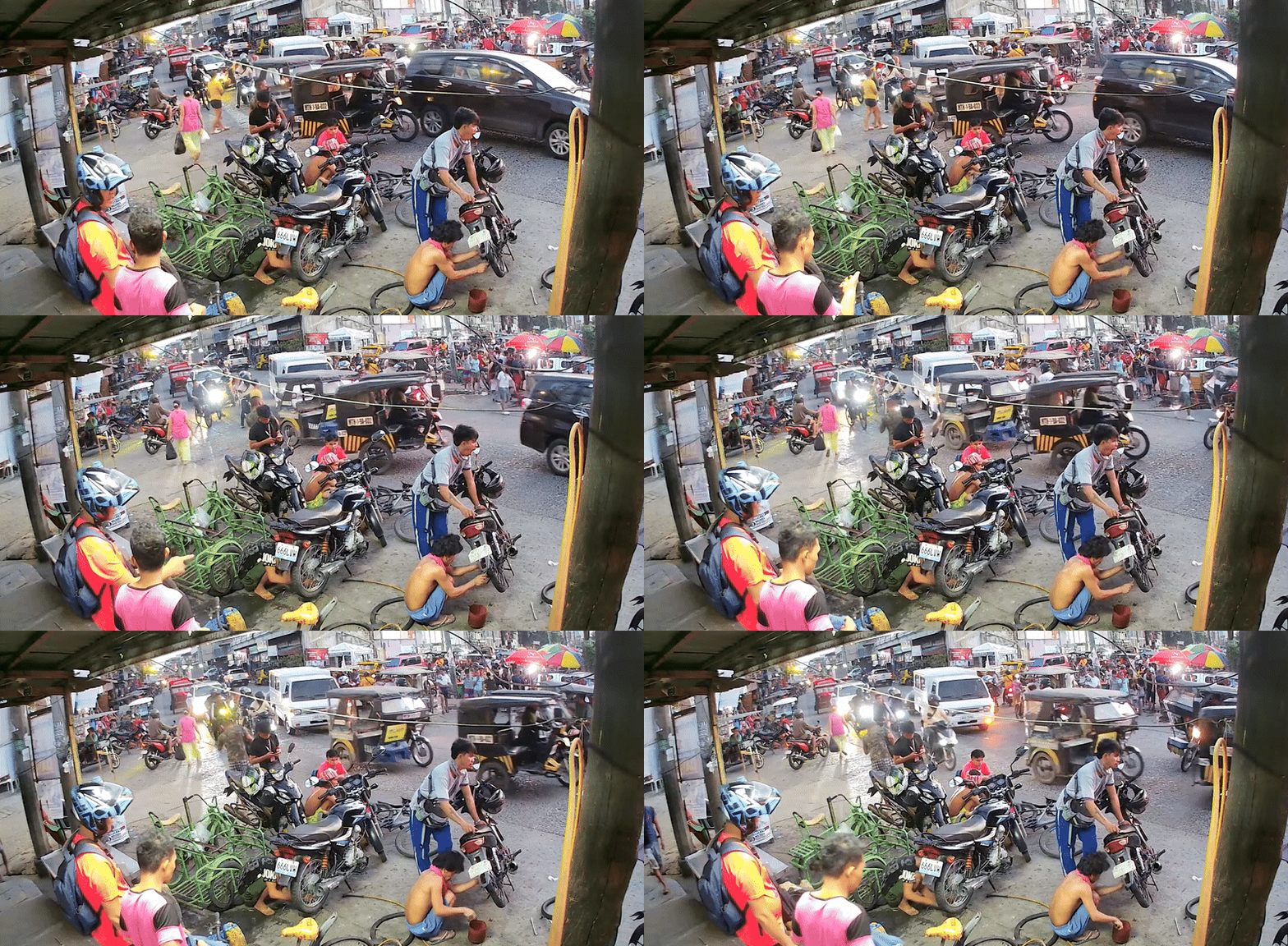
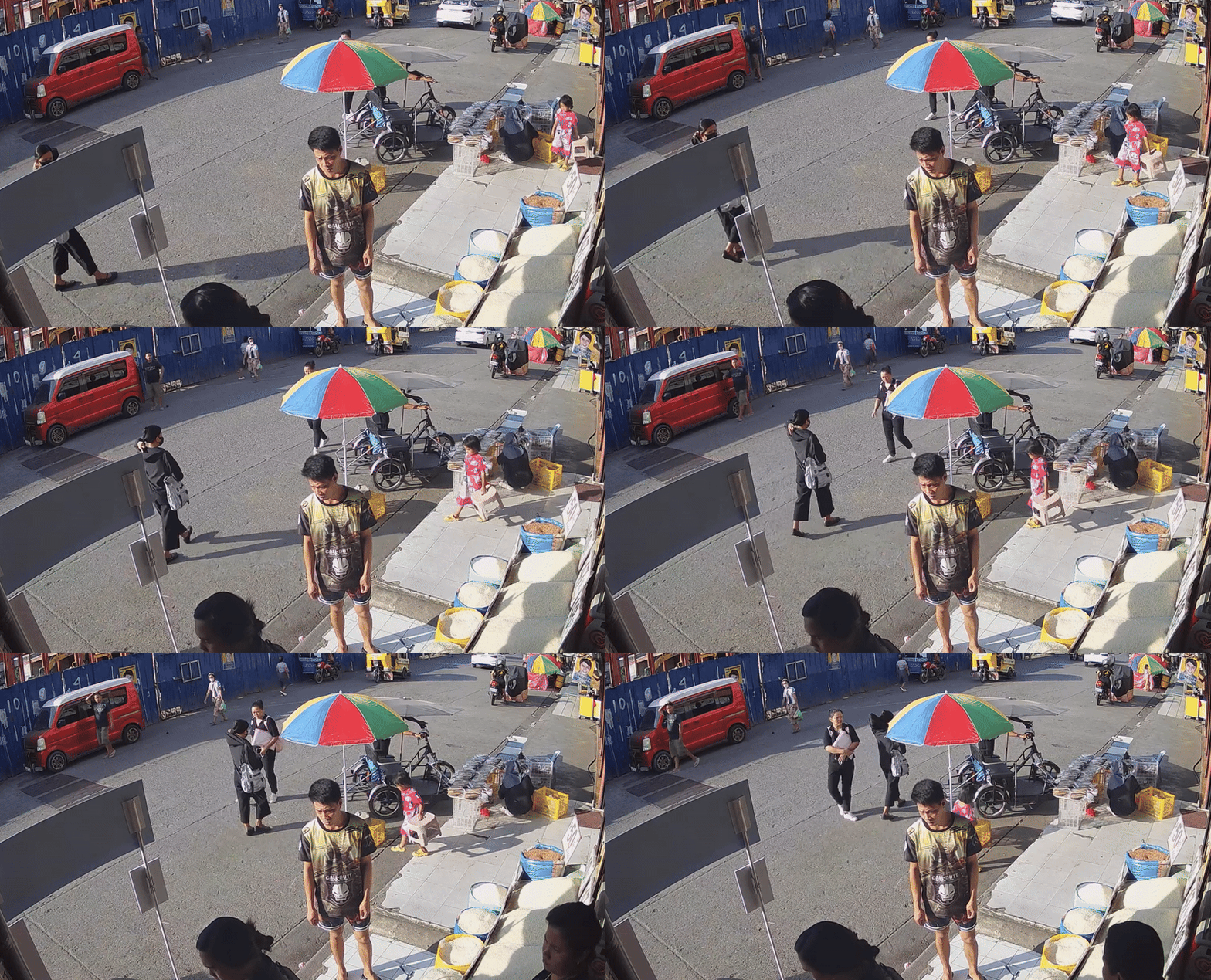
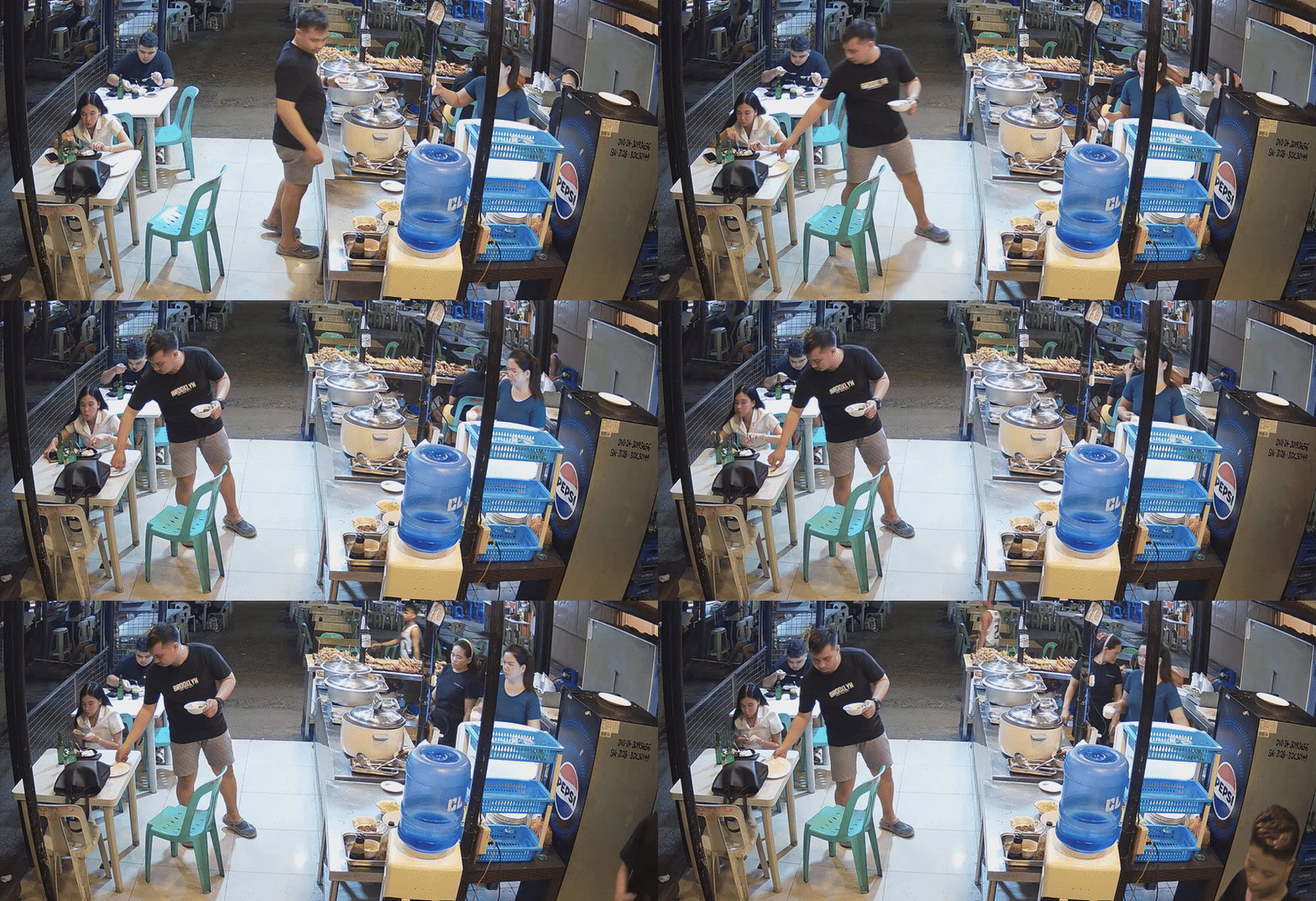
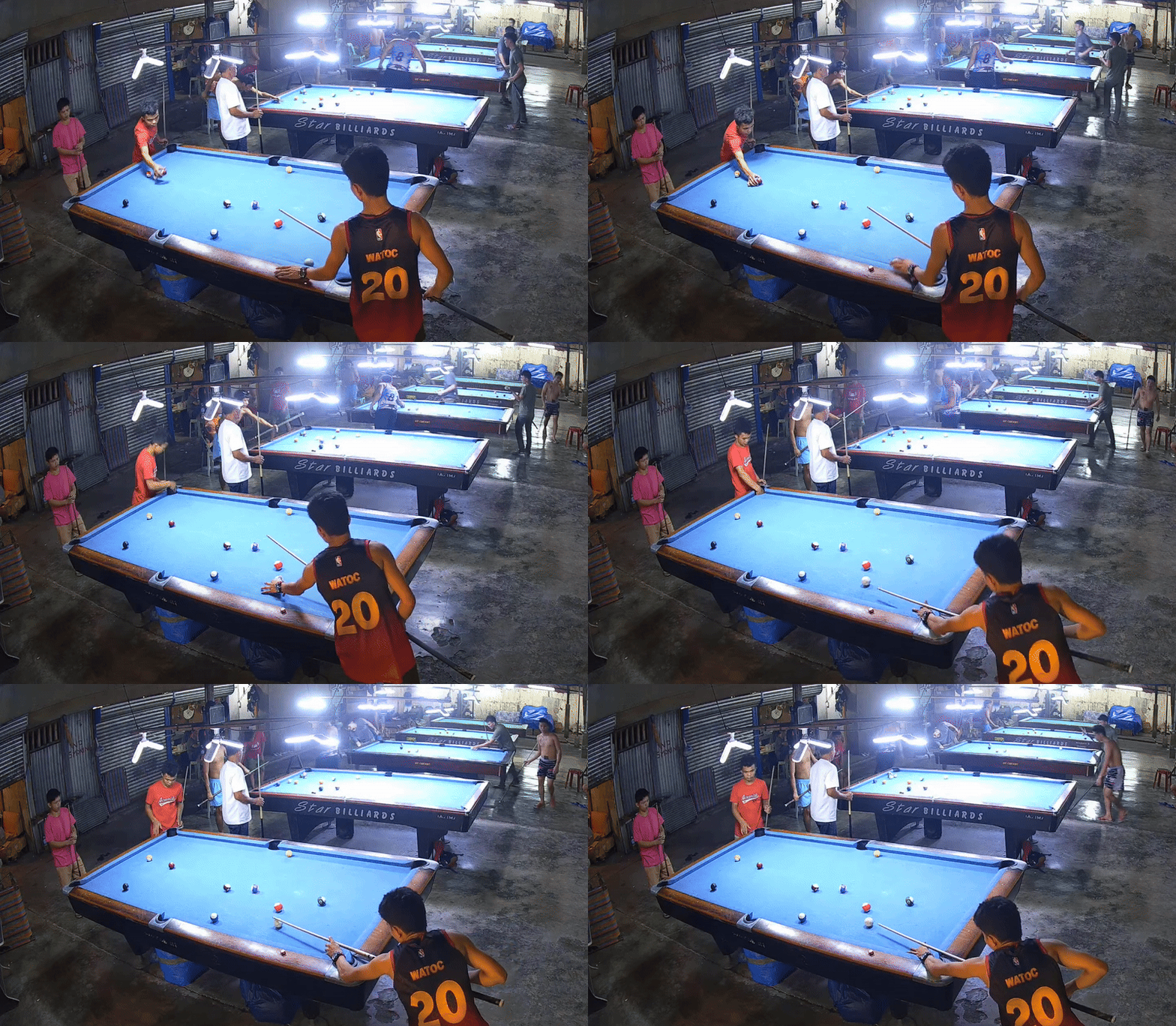
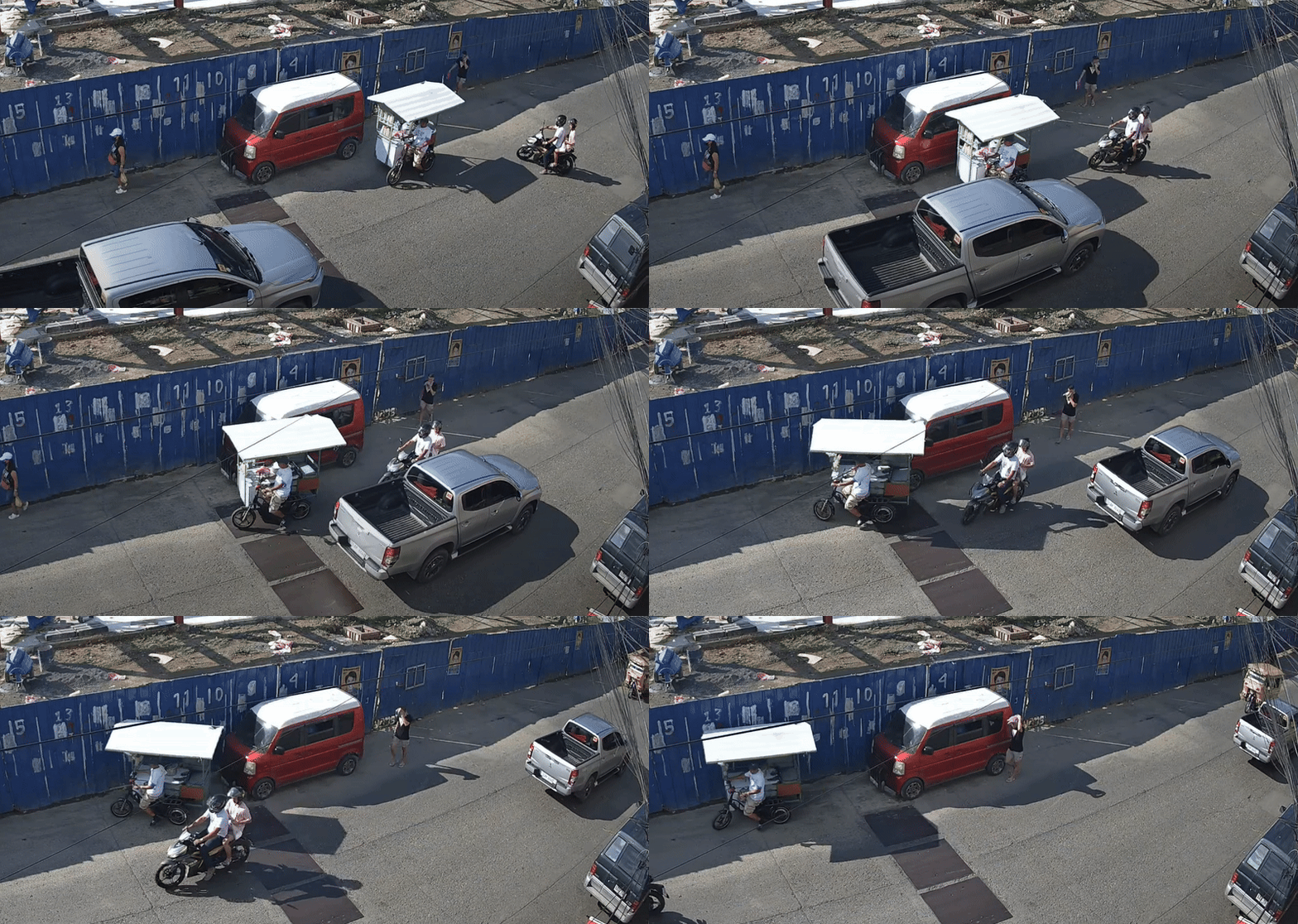
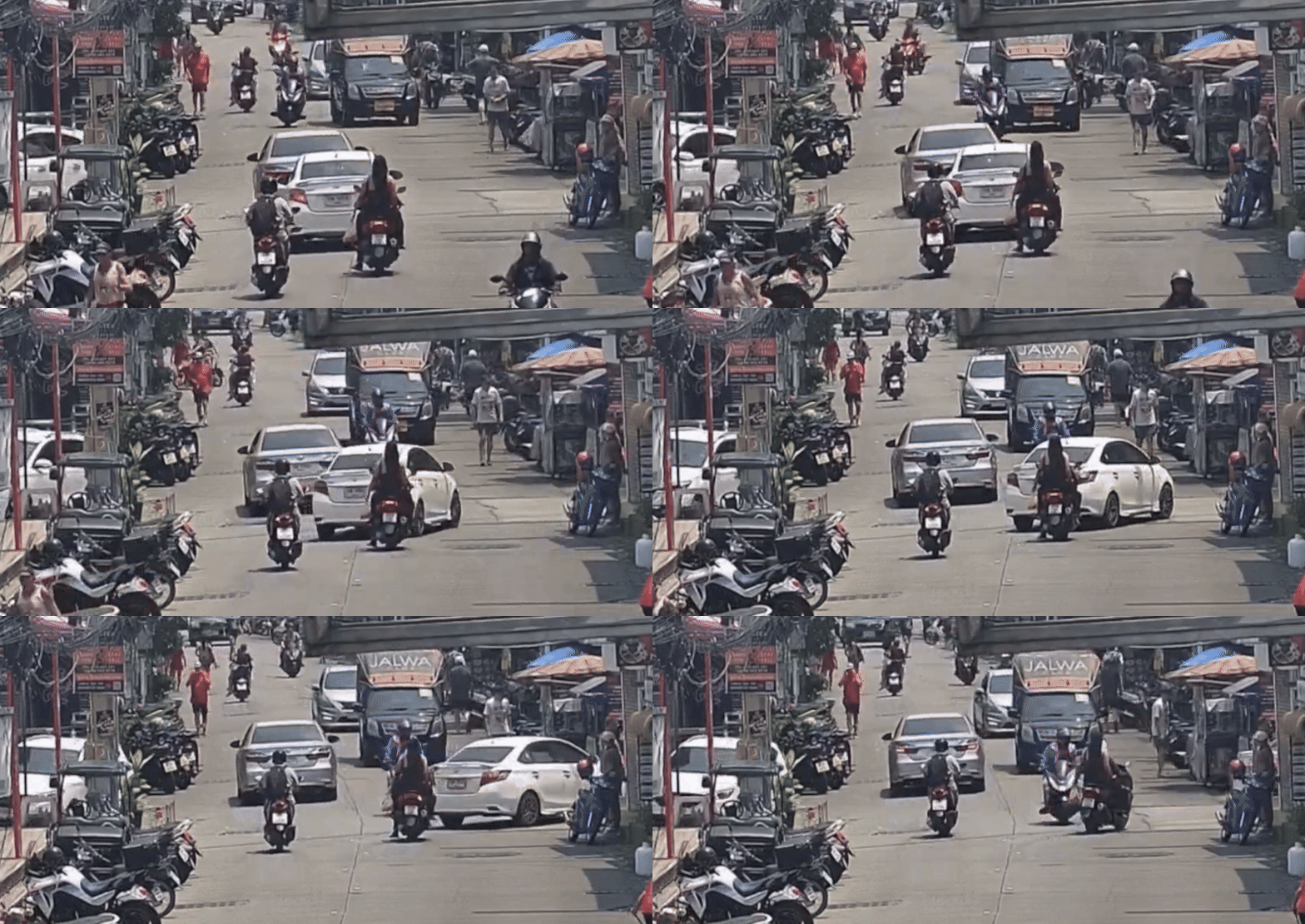
In generating behaviors and potential reuses, art challenges passive culture,
        composed of merchandise and consumers.
                 It makes the forms and cultural objects of our daily lives function.
                                   Because consumption creates the need for new production,
                                      consumption is both its motor and motive.

      Is the primary virtue of the readymade: establishing an equivalence between
                    choosing and fabricating,
         consuming and producing.

        To use an object is necessarily to interpret it.
                        To use a product is to betray its concept.

                                      To read,
                                                to view,
                         to envision a work is to know how to divert it:
                           use is an act of micropirating that constitutes postproduction. (3)
Any elements, no matter where they are taken from,
             can be used to make new combinations.


  The discoveries of modern poetry regarding the analogical structure of images demonstrate
                          that when two objects are brought together,
  no matter how far apart their original contexts may be,
        a relationship is always formed.(...)
        Anything can be used. (4)
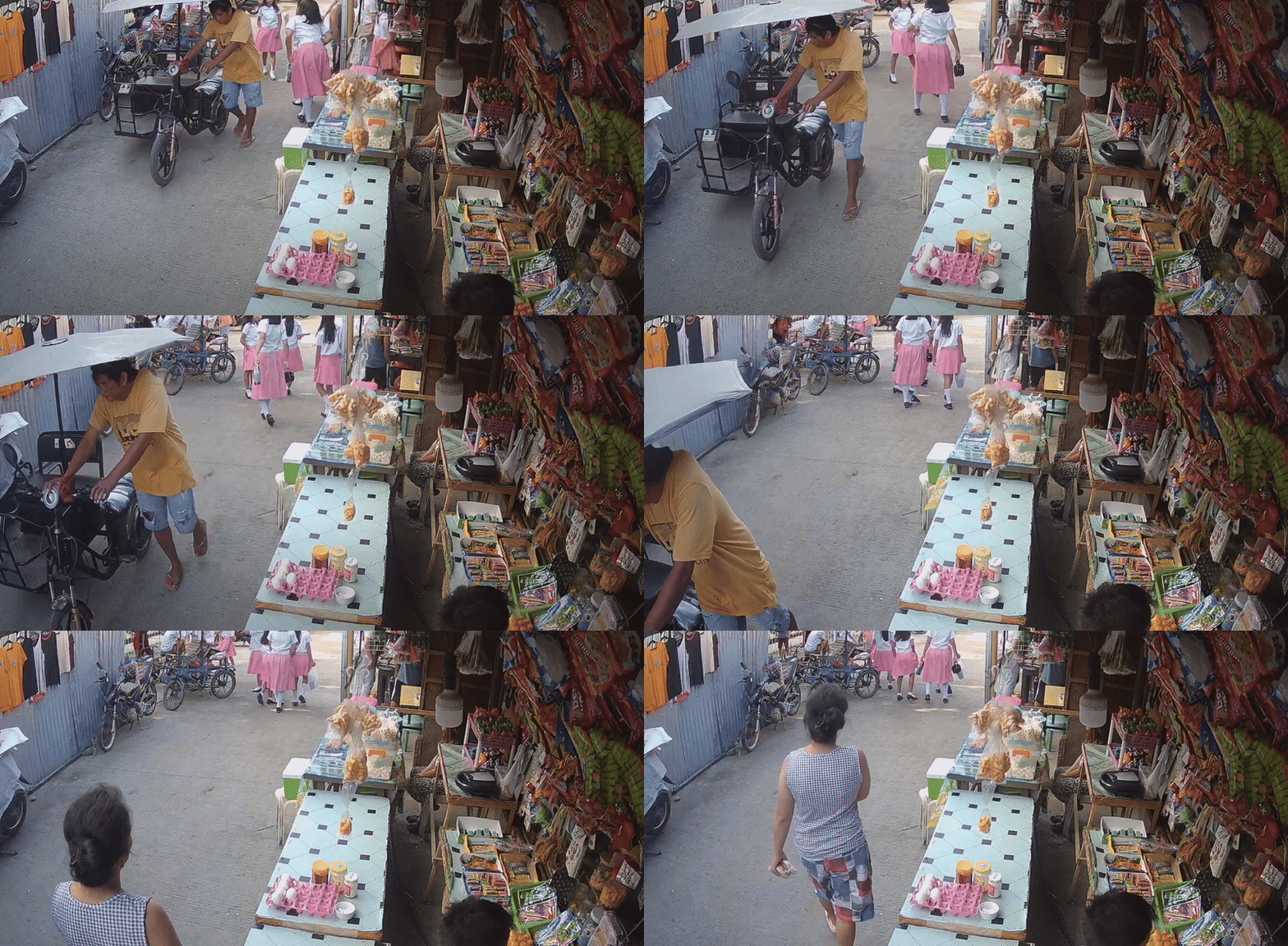
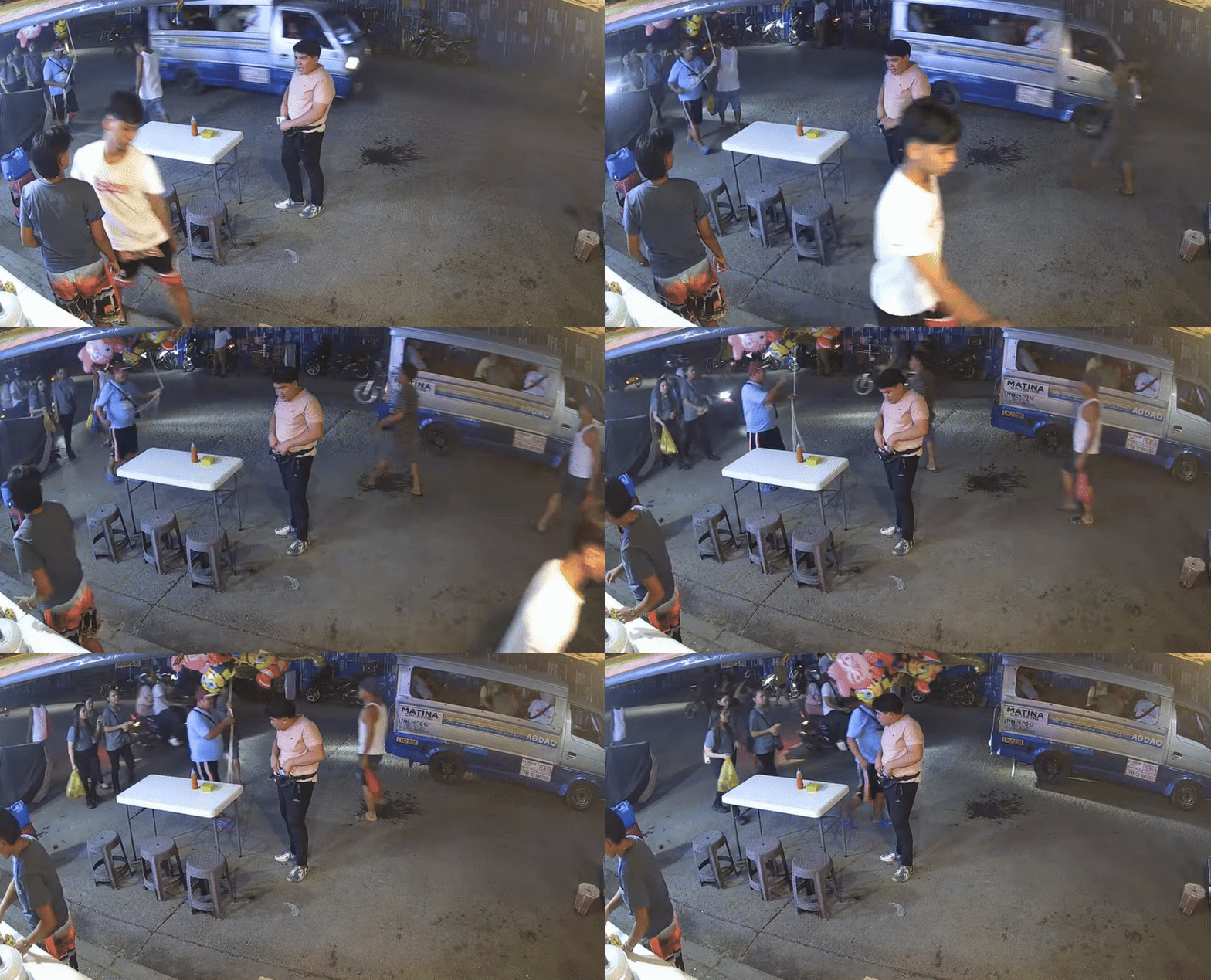
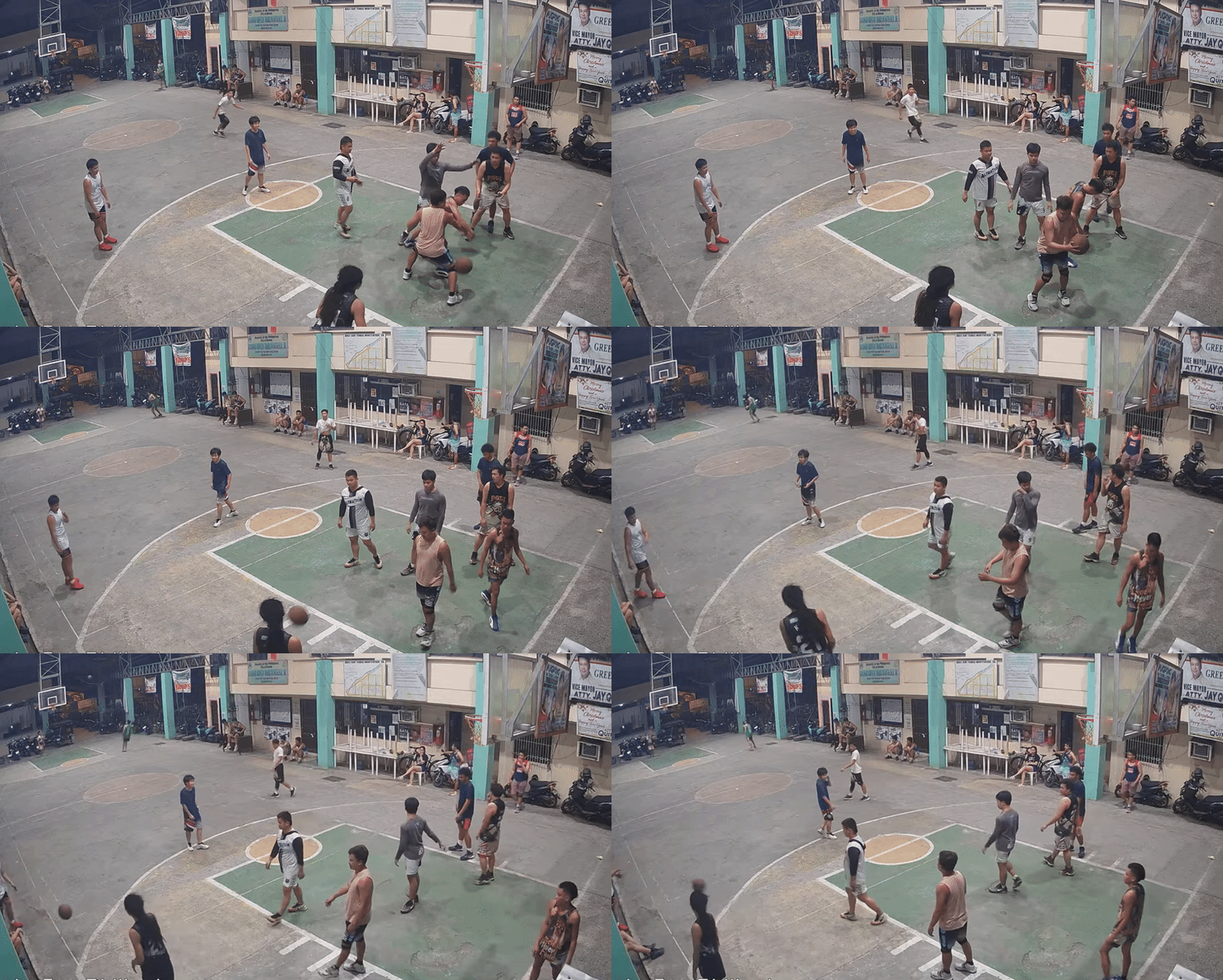
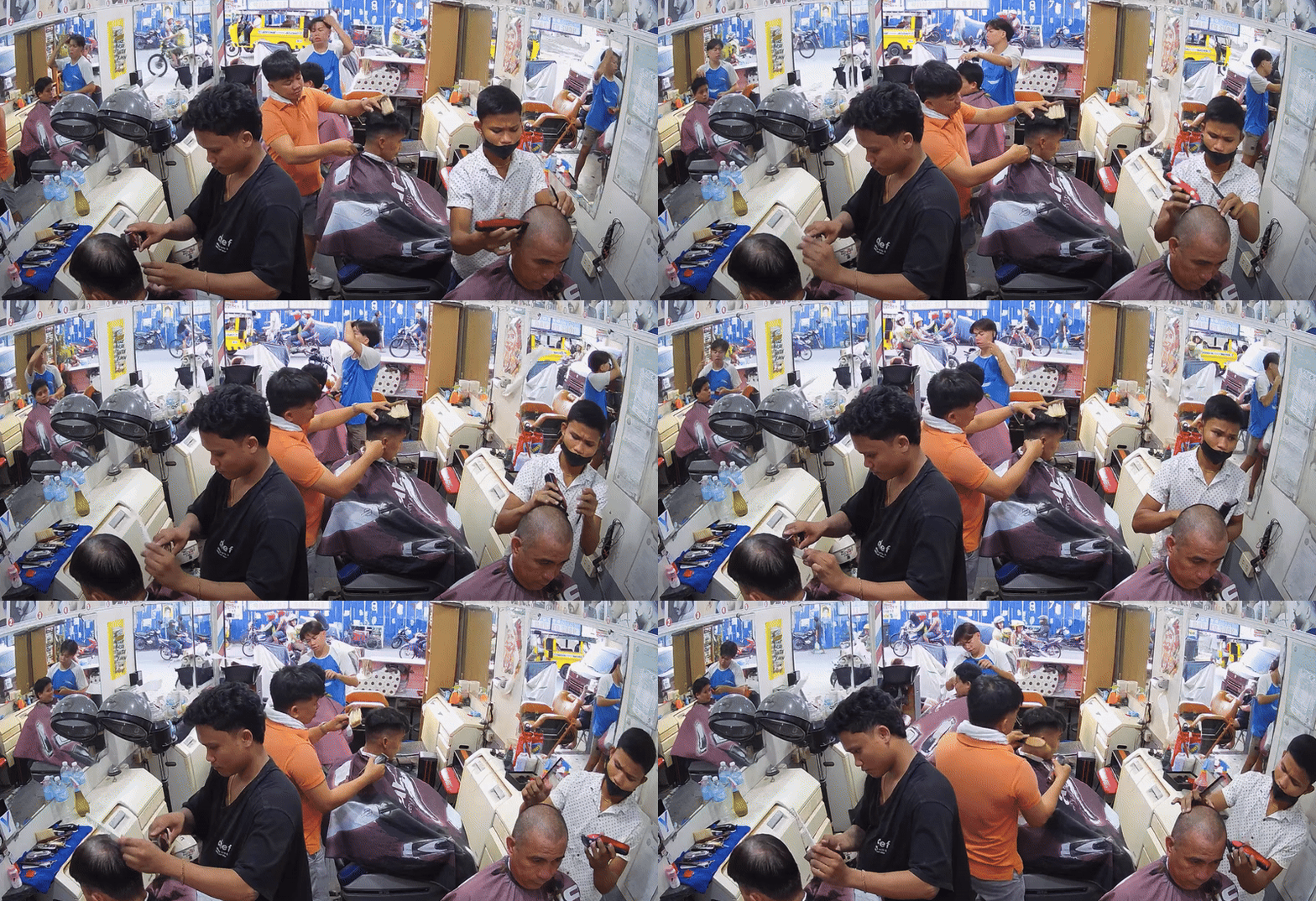
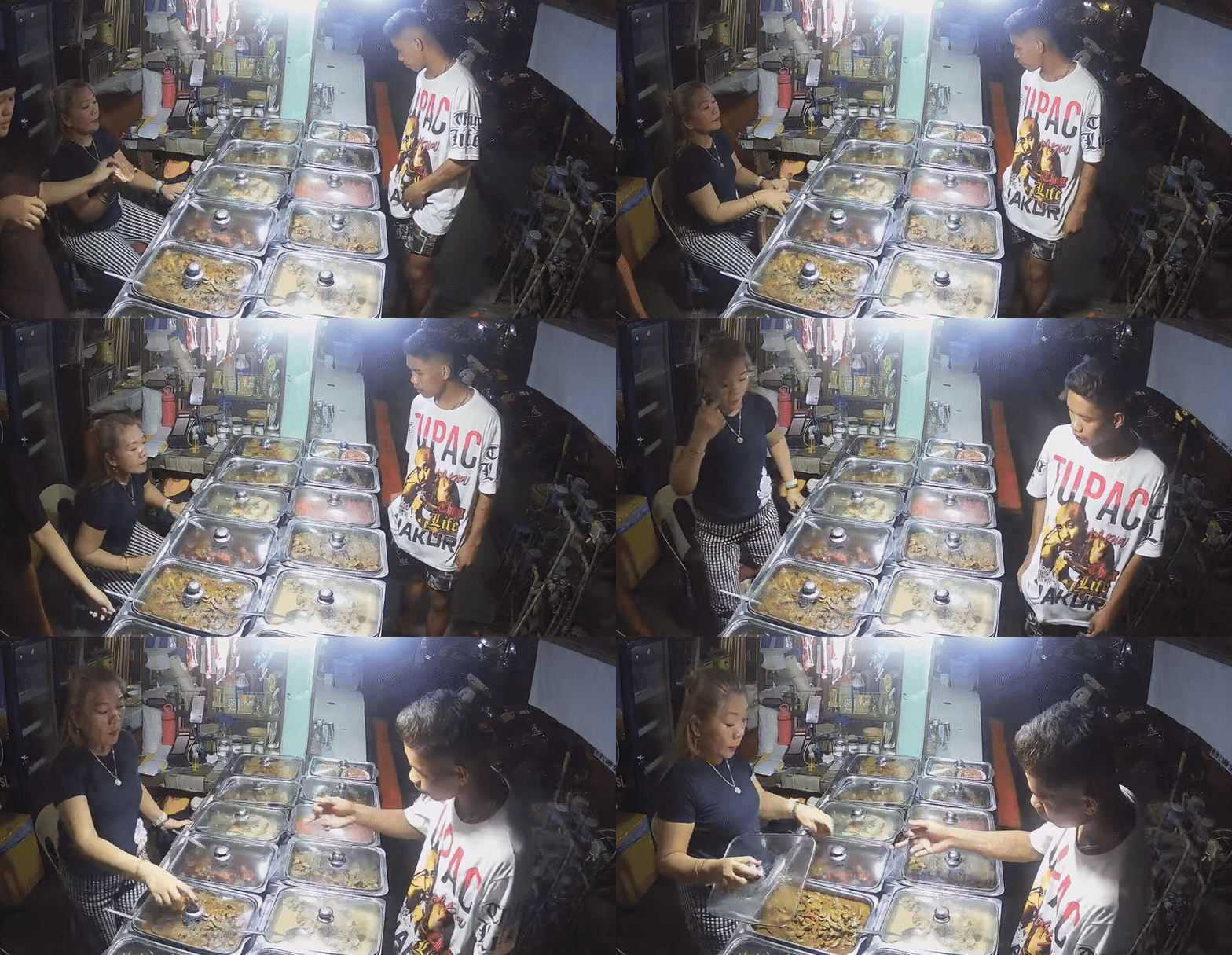
            In photography the slit camera enabled the organisation of time on a plane.

               The camera takes only a vertical line,
                          a minimal section of space over a restricted time-span.
                                The result is the documentation of different time periods
                                            on one plane based on a cut through the space. (5)
       "The point of these techniques is that they allow research on temporality, on the nature of time.

                                          In standard video playback,
                          time is identical to time as we live it.

                      In the techniques, something is revealed about time:
                                         we gain a new perspective on events,
             where in beginning, middle, and end are seen simultaneously.

         A single event can have any of an infinite number of manifestations
   depending on the time-angle it is viewed from.
        Collectively, these time-perspectives can be called 'the atemporal'.

We cannot see the atemporal in life because we are bound by time.
These techniques provide views of atemporality." - Kurt Ralske (6)
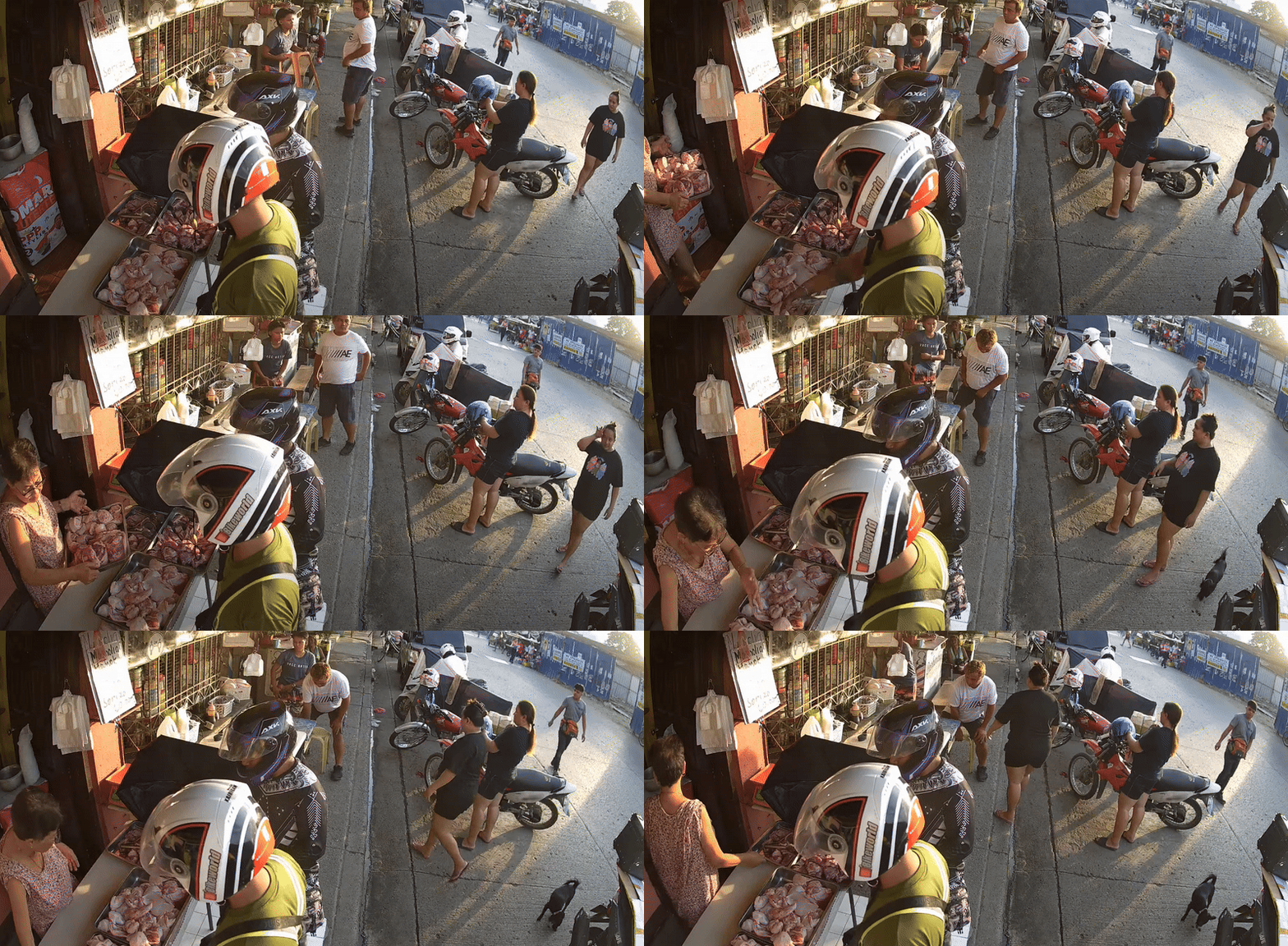
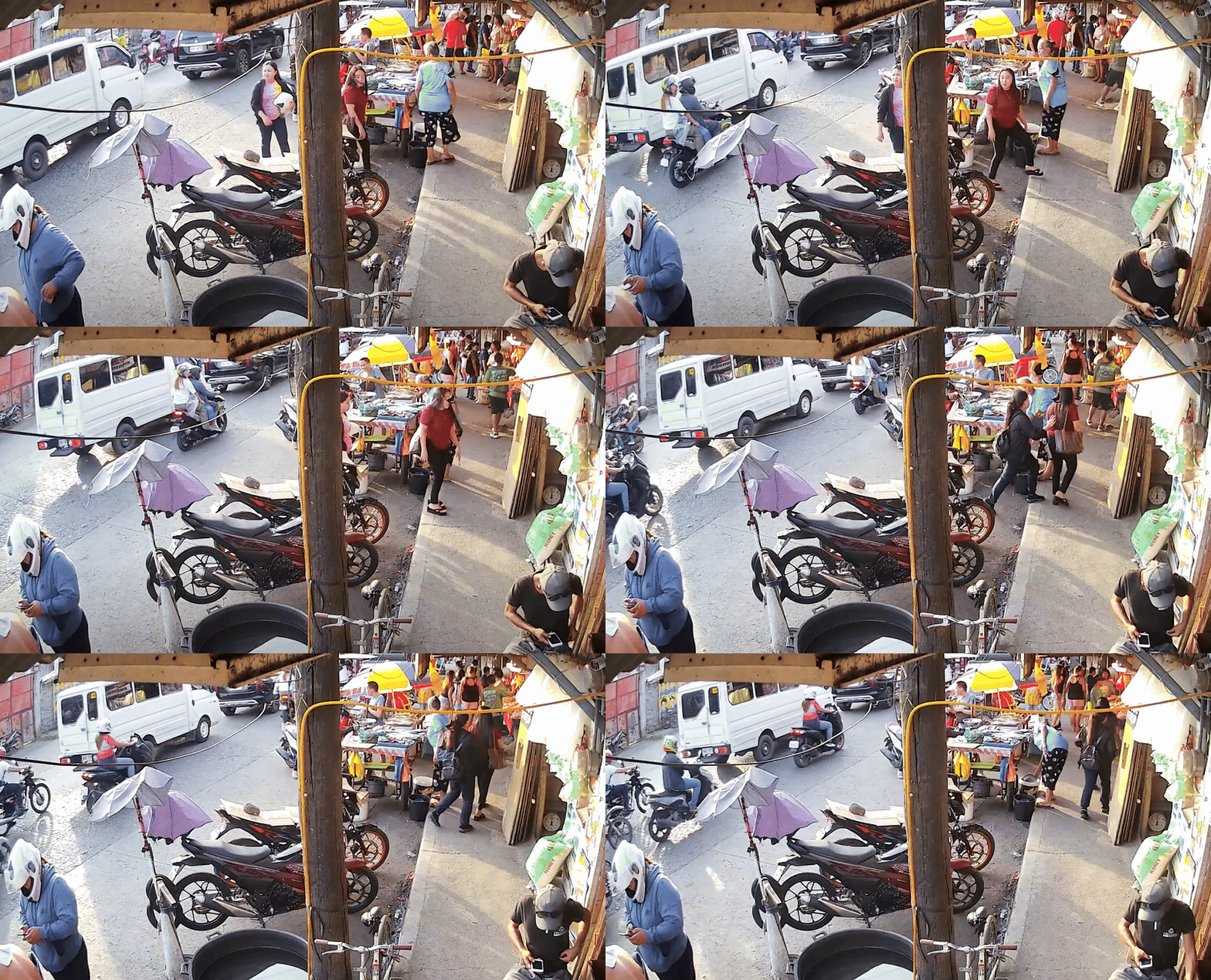
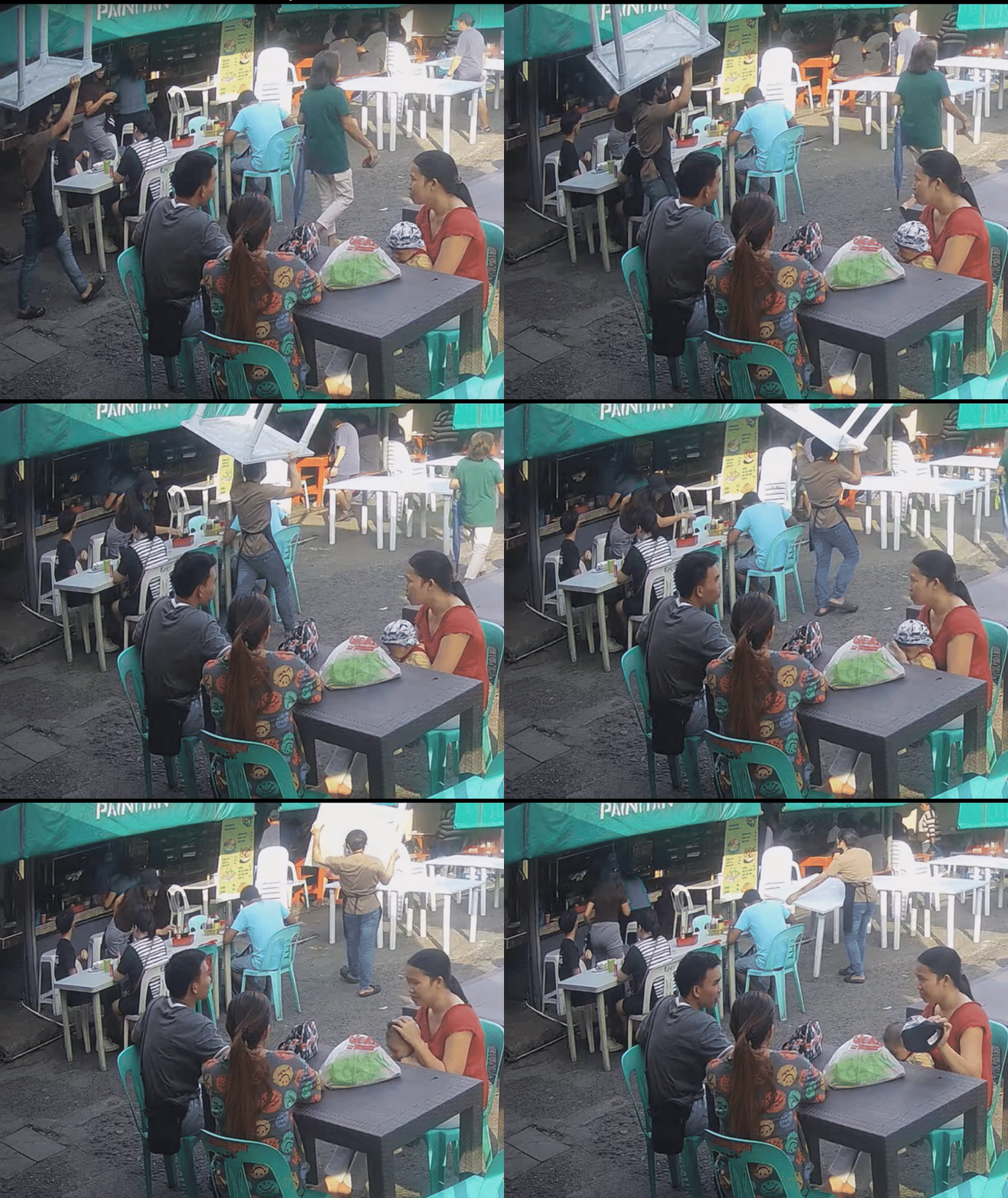
Social media and cellphone cameras have created a zone of mutual mass surveillance,
which adds to the ubiquitous urban networks of control,
such as CCTV,
cellphone GPS tracking
and face-recognition software.
On top of institutional surveillance,
people are now also routinely surveilling each other
by taking countless pictures and publishing them in almost real time.
The social control associated with these practices of horizontal representation has become quite influential. (7)
This is why many people by now walk away from visual representation.
Their instincts (and their intelligence) tell them that
photographic or moving images are dangerous devices of capture:
of time,
affect,
productive forces,
and subjectivity.
They can jail you or shame you forever;
they can trap you in hardware monopolies and conversion conundrums,
and, moreover, once these images are online
they will never be deleted again. (7)
In fact, it is a misunderstanding that cameras are tools of representation;
they are at present tools of disappearance.
The more people are represented
the less is left of them in reality. (7)
Ariella Azoulay’s concept of photography as a form of civil contract provides a rich background to think through these ideas.
If photography was a civil contract between the people who participated in it,
then the current withdrawal from representation is the breaking of a social contract,
having promised participation
but delivered
gossip,
surveillance,
evidence, serial narcissism,
as well as occasional uprisings. (7)
There is a huge number of images without referents;
on the other, many people without representation.
To phrase it more dramatically:
a growing number of unmoored and floating images corresponds to a growing number of disenfranchized,
invisible,
or even disappeared and missing people.(7)
Who knows what the people in image spam are up to, if nobody is actually looking?
Their public appearance may be just a silly face they put on to make sure we continue to not pay attention.
They might carry important messages for the aliens in the meantime,
about those who we stopped caring for,
those excluded from shambolic “social contracts,”
or any form of participation other than morning TV;
that is, the spam of the earth,
the stars of CCTV
and aerial infrared surveillance.
Or they might temporarily share in the realm of the disappeared and invisible,
made up of those who, more often than not, inhabit a shameful silence
and whose relatives have to lower their eyes to their killers every day.
The image-spam people are double agents.
They inhabit both the realms of over- and invisibility.
This may be the reason why they are continuously smiling but not saying anything.
They know that their frozen poses and vanishing features are actually providing cover for the people to go off the record in the meantime. (7)