
ARCHIVE
FEVER
Enduring Ephemerality
DIGITAL ARCHIVES
OBSOLESCENSE
FRAGILITY
MEMORY
ERASURE
The conditions of use and access that [digital materials] enable may make it possible for everyone from high schoolers to local historians to become archive builders and archival researchers. But, for the very same reasons, digital assets are volatile […] Every burial ground needs to be cared for continuously if it is to endure.
Jeffrey Schnapp, Buried (and) Alive, 2016
Despite its apparent immateriality, the preservation of online data has been refuted by phenomena such as digital obsolescence, the disappearance of content, broken links and the degradation of file formats, associated with the impermanence of the Internet. Authors such as Abigail Kosnik and Wendy Chun highlight how digital archives, often seen as spaces of accumulation and control, are essentially fragmentary and subject to loss. As such, their disappearance has become an inevitable part of the digital experience.
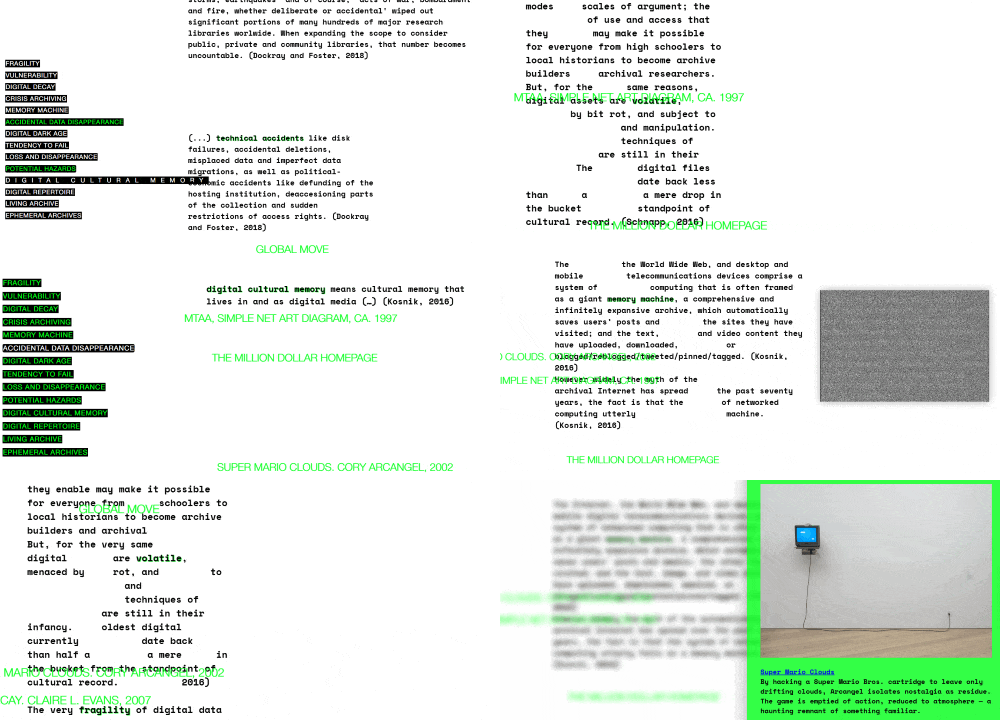
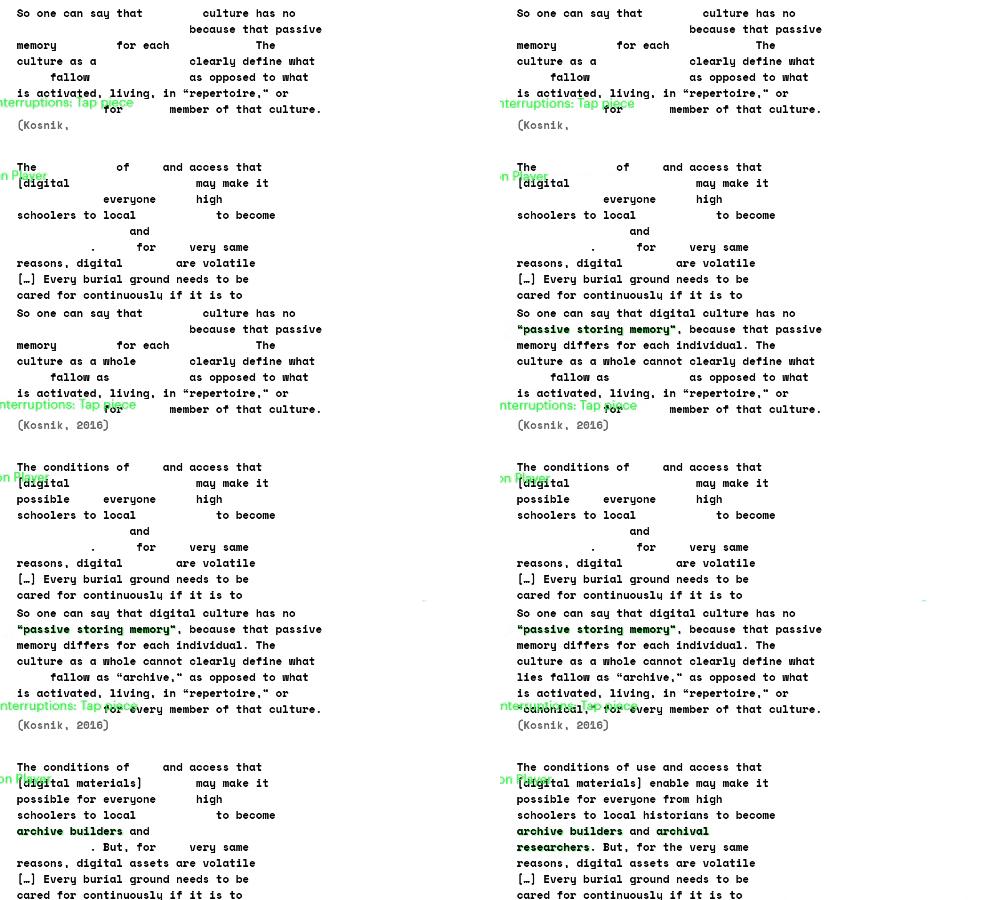
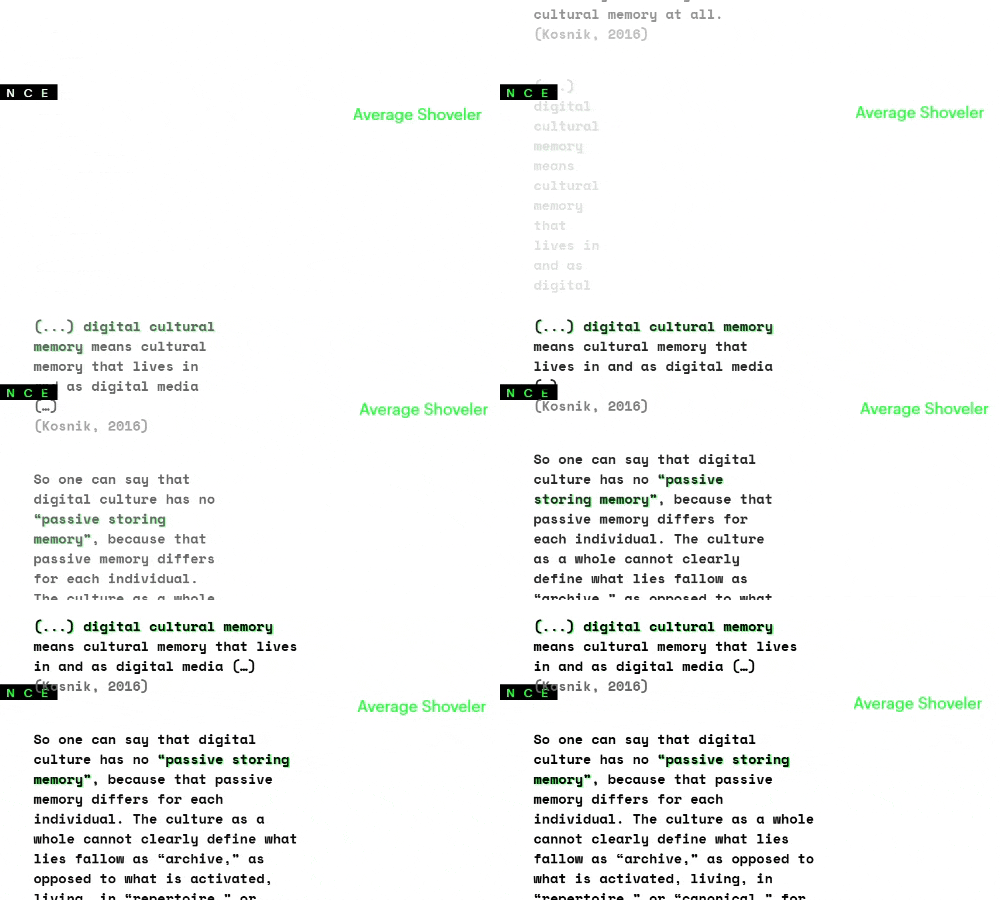
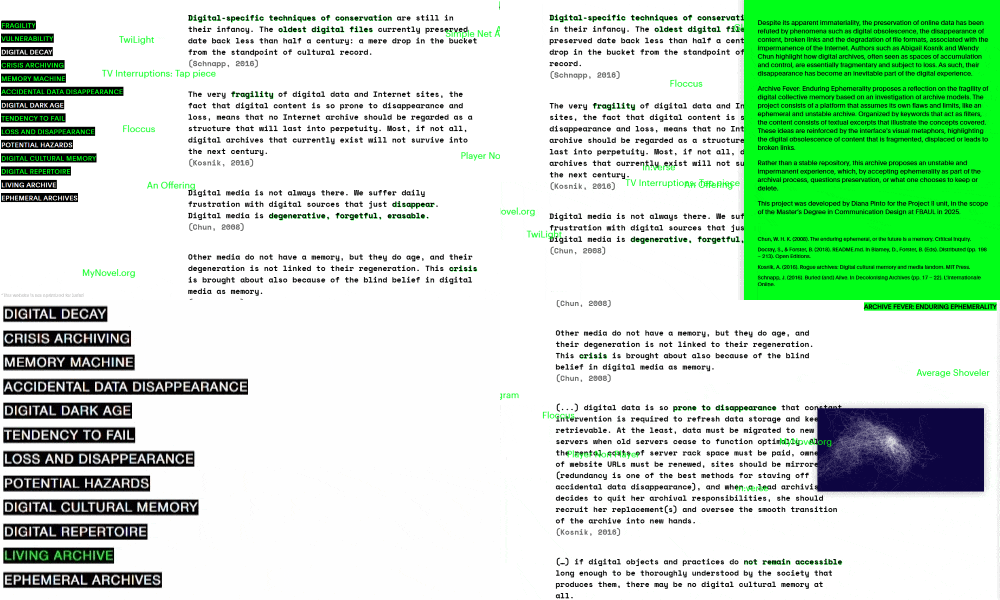
Archive Fever: Enduring Ephemerality proposes a reflection on the fragility of digital collective memory based on an investigation of archive models. The project consists of a platform that assumes its own flaws and limits, like an ephemeral and unstable archive. Organized by keywords that act as filters, the content consists of textual excerpts that illustrate the concepts covered. These ideas are reinforced by the interface's visual metaphors, highlighting the digital obsolescence of content that is fragmented, displaced or leads to broken links.
Rather than a stable repository, this archive proposes an unstable and impermanent experience, which, by accepting ephemerality as part of the archival process, questions preservation, or what one chooses to keep or delete.
The conditions of use and access that [digital materials] enable may make it possible for everyone from high schoolers to local historians to become archive builders and archival researchers. But, for the very same reasons, digital assets are volatile […] Every burial ground needs to be cared for continuously if it is to endure.
Jeffrey Schnapp, Buried (and) Alive, 2016
DIGITAL ARCHIVES
OBSOLESCENSE
FRAGILITY
MEMORY
ERASURE
Despite its apparent immateriality, the preservation of online data has been refuted by phenomena such as digital obsolescence, the disappearance of content, broken links and the degradation of file formats, associated with the impermanence of the Internet. Authors such as Abigail Kosnik and Wendy Chun highlight how digital archives, often seen as spaces of accumulation and control, are essentially fragmentary and subject to loss. As such, their disappearance has become an inevitable part of the digital experience.
Archive Fever: Enduring Ephemerality proposes a reflection on the fragility of digital collective memory based on an investigation of archive models. The project consists of a platform that assumes its own flaws and limits, like an ephemeral and unstable archive. Organized by keywords that act as filters, the content consists of textual excerpts that illustrate the concepts covered. These ideas are reinforced by the interface's visual metaphors, highlighting the digital obsolescence of content that is fragmented, displaced or leads to broken links.
Rather than a stable repository, this archive proposes an unstable and impermanent experience, which, by accepting ephemerality as part of the archival process, questions preservation, or what one chooses to keep or delete.
Diana Pinto