Despite its apparent immateriality, the preservation of online data has been refuted by phenomena such as digital obsolescence, the disappearance of content, broken links and the degradation of file formats, associated with the impermanence of the Internet. Authors such as Abigail Kosnik and Wendy Chun highlight how digital archives, often seen as spaces of accumulation and control, are essentially fragmentary and subject to loss. As such, their disappearance has become an inevitable part of the digital experience.
Archive Fever: Enduring Ephemerality proposes a reflection on the fragility of digital collective memory based on an investigation of archive models. The project consists of a platform that assumes its own flaws and limits, like an ephemeral and unstable archive. Organized by keywords that act as filters, the content consists of textual excerpts that illustrate the concepts covered. These ideas are reinforced by the interface's visual metaphors, highlighting the digital obsolescence of content that is fragmented, displaced or leads to broken links.
Rather than a stable repository, this archive proposes an unstable and impermanent experience, which, by accepting ephemerality as part of the archival process, questions preservation, or what one chooses to keep or delete.
This project was developed by Diana Pinto for the Project II unit, in the scope of the Master’s Degree in Communication Design at FBAUL in 2025.
All textual excerpts are taken from these references:
Chun, W. H. K. (2008). The enduring ephemeral, or the future is a memory. Critical Inquiry.https://doi.org/10.1086/595632
Docray, S., & Forster, B. (2018). README.md. In Blamey, D., Forster, B. (Eds). Distributed (pp. 198 – 213). Open Editions.
Kosnik, A. (2016). Rogue archives: Digital cultural memory and media fandom. MIT Press.
Schnapp, J. (2016). Buried (and) Alive. In Decolonising Archives (pp. 17 – 22). L’Internationale Online.
Digital-specific techniques of conservation are still in their infancy. The oldest digital files currently preserved date back less than half a century: a mere drop in the bucket from the standpoint of cultural record.
(Schnapp, 2016)
The very fragility of digital data and Internet sites, the fact that digital content is so prone to disappearance and loss, means that no Internet archive should be regarded as a structure that will last into perpetuity. Most, if not all, digital archives that currently exist will not survive into the next century.
(Kosnik, 2016)
Digital media is not always there. We suffer daily frustration with digital sources that just disappear. Digital media is degenerative, forgetful, erasable.
(Chun, 2008)
(...) digital storage media at first appeared to be archivists’ ideal solution to the degradation of paper, but then turned out itself to be highly degradable. After Lesk’s talk came a report by Paul Conway (1996) (...), which pointed out, “Information in digital form—the evidence of the world we live in—is more fragile than the fragments of papyrus found buried with the Pharaohs,” because “the permanence, durability, and stamina of newer recording media” have declined steadily over the course of the twentieth century, making the digital age one in which we have “information density” but few options for permanently preserving that information and keeping it accessible.
(Kosnik, 2016)
Memory, with its constant degeneration, does not equal storage; although artificial memory has historically combined the transitory with the permanent, the passing with the stable, digital media complicates this relationship by making the permanent into an enduring ephemeral, creating unforeseen degenerative links between humans and machines.
(Chun, 2008)
Other media do not have a memory, but they do age, and their degeneration is not linked to their regeneration. This crisis is brought about also because of the blind belief in digital media as memory.
(Chun, 2008)
The Internet, the World Wide Web, and desktop and mobile digital telecommunications devices comprise a system of networked computing that is often framed as a giant memory machine, a comprehensive and infinitely expansive archive, which automatically saves users’ posts and emails; the sites they have visited; and the text, image, and video content they have uploaded, downloaded, emailed, or blogged/reblogged/tweeted/pinned/tagged.
(Kosnik, 2016)
However widely the myth of the automatically archival Internet has spread over the past seventy years, the fact is that the system of networked computing utterly fails as a memory machine.
(Kosnik, 2016)
'Acidified paper that crumbles to dust, leather, parchment, film and magnetic light attacked by light, heat, humidity or dust' all assault archives. 'Floods, fires, hurricanes, storms, earthquakes' and of course, 'acts of war, bombardment and fire, whether deliberate or accidental' wiped out significant portions of many hundreds of major research libraries worlwide. When expanding the scope to consider public, private and community libraries, that number becomes uncountable.
(Dockray and Foster, 2018)
The current historical moment, they argue, may be a “digital dark age,” a time of which future generations will have scant records, owing to the short lifespans of our current digital platforms, devices, and applications (as compared to the lifespans of older technologies, such as paper).
(Kosnik, 2016)
(...) digital data is so prone to disappearance that constant intervention is required to refresh data storage and keep it retrievable. At the least, data must be migrated to new servers when old servers cease to function optimally. Also, the rental costs of server rack space must be paid, ownership of website URLs must be renewed, sites should be mirrored (redundancy is one of the best methods for staving off accidental data disappearance), and when a lead archivist decides to quit her archival responsibilities, she should recruit her replacement(s) and oversee the smooth transition of the archive into new hands.
(Kosnik, 2016)
(…) if digital objects and practices do not remain accessible long enough to be thoroughly understood by the society that produces them, there may be no digital cultural memory at all.
(Kosnik, 2016)
(...) technical accidents like disk failures, accidental deletions, misplaced data and imperfect data migrations, as well as political-economic accidents like defunding of the hosting institution, deaccesioning parts of the collection and sudden restrictions of access rights.
(Dockray and Foster, 2018)
(...) digital cultural memory means cultural memory that lives in and as digital media (…)
(Kosnik, 2016)
So one can say that digital culture has no “passive storing memory”, because that passive memory differs for each individual. The culture as a whole cannot clearly define what lies fallow as “archive,” as opposed to what is activated, living, in “repertoire,” or “canonical,” for every member of that culture.
(Kosnik, 2016)
They have collectively proclaimed that the Internet and computers do not constitute the greatest archive in human history, but rather the reverse.
(Kosnik, 2016)
(...) it is uncertain whether any digital artifacts produced over the past twenty-five years will remain; but it is very likely that much of the current digital repertoire will still be in use, albeit modified to adapt to new device types.
(Kosnik, 2016)
The conditions of use and access that [digital materials] enable may make it possible for everyone from high schoolers to local historians to become archive builders and archival researchers. But, for the very same reasons, digital assets are volatile […] Every burial ground needs to be cared for continuously if it is to endure.
(Schnapp, 2016)
(...) so much selecting-out is already executed by the ephemeral properties of digital data and the proclivity for forgetting in digital culture. The propensity of data to disappear or to become unfindable, which stems simultaneously from technological affordances and information abundance, is so great that universal archives define victory as the accumulation of preserved data. (...) In volume lies their victory.
Global Move by JODI subverts Google Maps using custom code, turning its interface into a chaotic, unstable artwork. It evokes a world where digital landscapes falter, systems unravel, and permanence gives way to erosion and drift.
"Globalmove.us implements a combination of the Google Maps API and subversive javascript written by the artists to create frenetic drawings (earthworks even) built of Google Maps UI elements. The ability for JODI's hand crafted javascript to accomplish this feat is explicitly allowed and defined by code that is written, hosted and provided by Google. Were this work to be preserved by a collecting institution, how would one ensure that changes made by Google to their Maps API does not destroy the functions implemented by the artist's code?"
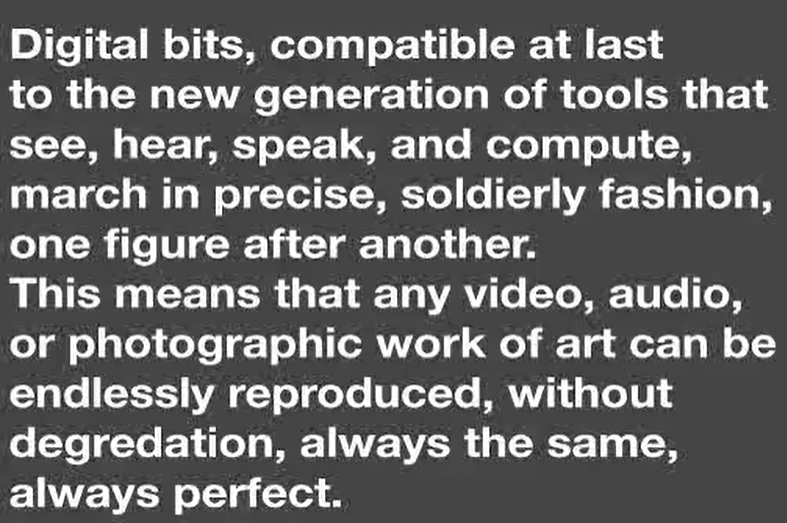
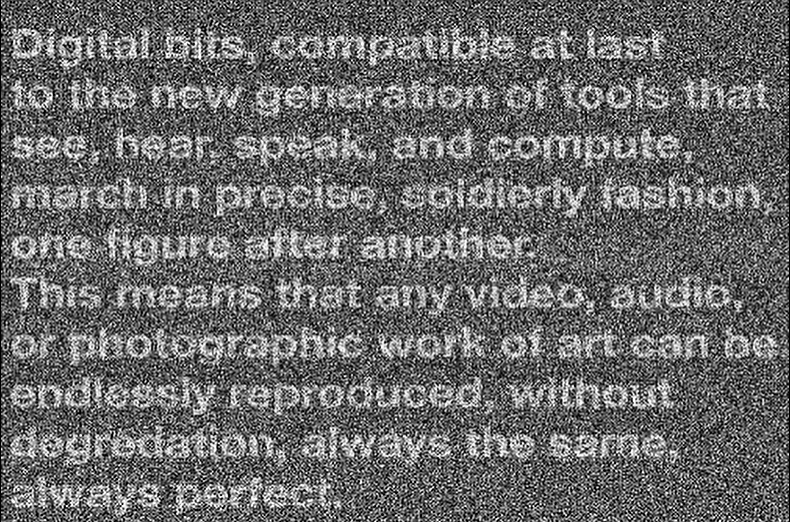
This experimental video compresses and re-saves the same image over and over, visually tracking its degradation across iterations. The result is a haunting abstraction of the original, showing how digital reproduction is not neutral.
"This quote is taken from Douglas Davis' essay, "The Work of Art in the Age of Digital Reproduction," which argues (in part) that unlike analogue signals, which are like waves crashing upon a beach and losing clarity with every ebb of the tide, digital bits "can be endlessly reproduced, without degradation, always the same, always perfect." This video is an animation of the process of saving an image file in continuously lower file formats over hundreds of times."
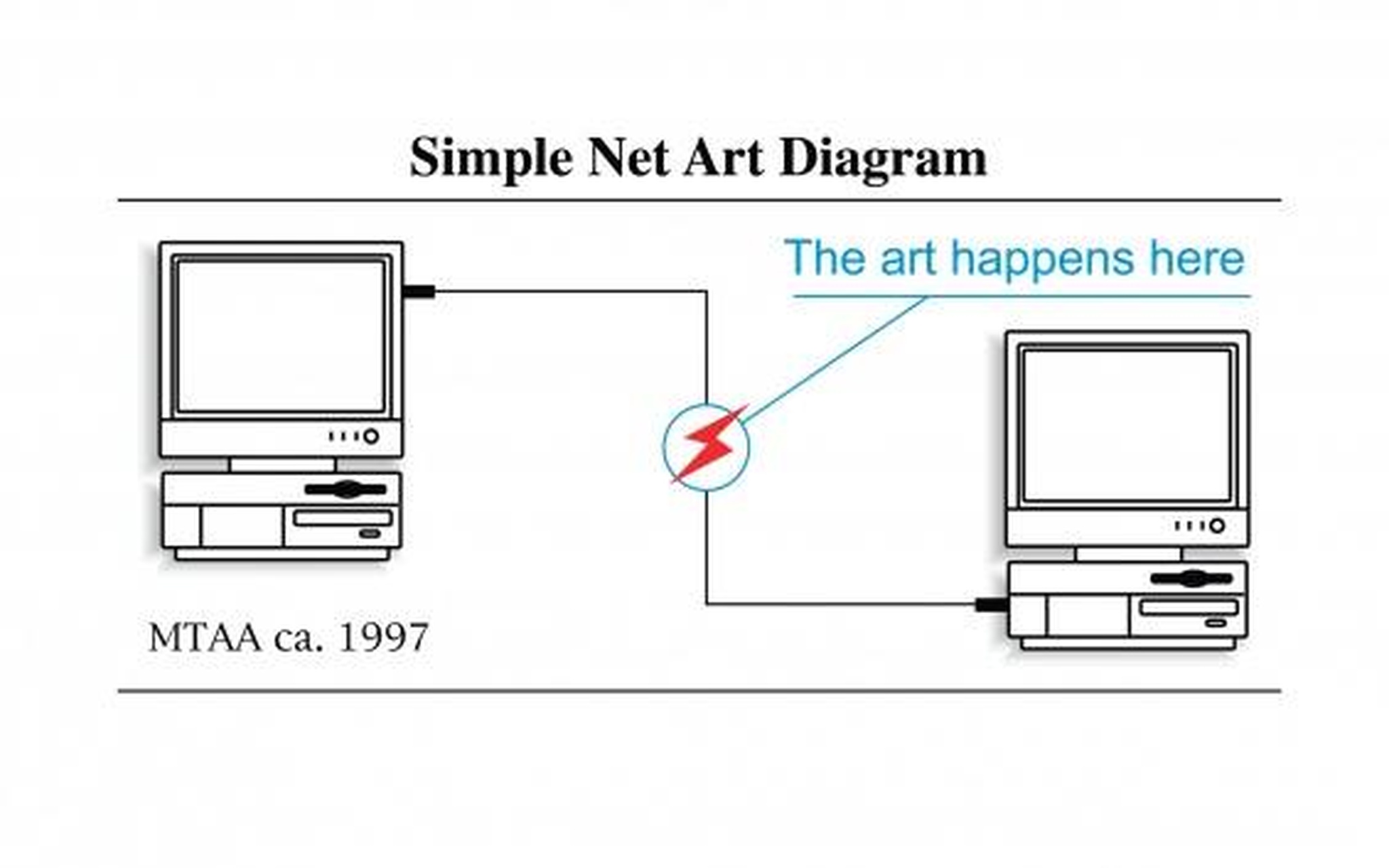
This sketch outlines a basic connection: two computers linked by a lightning bolt, captioned “The art happens here.” Created at the dawn of net art, the piece encapsulates a key idea that underpins this archive — that digital artworks, and by extension digital memories, are not static but happen in the moment of interaction, exchange, and access. It emphasizes the processual and ephemeral nature of digital creation and preservation.
"Created by artist duo MTAA, Simple Net Art Diagram (SNAD) is a schematic illustration of two computer terminals connected by a line and a red lightning bolt labeled “The art happens here.” Through an extreme economy of form, the now-iconic image conveys complex concepts about net art: first, that it “happens,” and therefore can be thought of as an action or a performance; and second, that it is defined by in-betweenness."
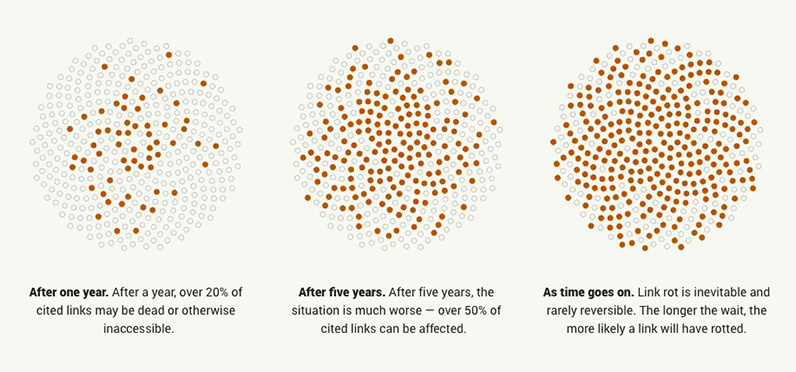
Originally a viral marketing success made of purchasable 10x10 pixel blocks linking to advertisers, this site now serves as a living fossil of the early web. Many links are now dead, pointing to nonexistent domains. Its decaying state demonstrates how even highly visible, commercial digital spaces succumb to obsolescence. Digital memory is never truly safe or permanent.
"In August 2005 Alex Tew, a British student, launched the Million Dollar Homepage, which soon became an example of successful viral marketing and an Internet phenomenon. The page was a million pixels divided into a 1000×1000 px grid. Alex Tew offered to sell 1 pixel for a dollar, with the smallest advertising space an advertiser could buy for their link being 10×10 px."
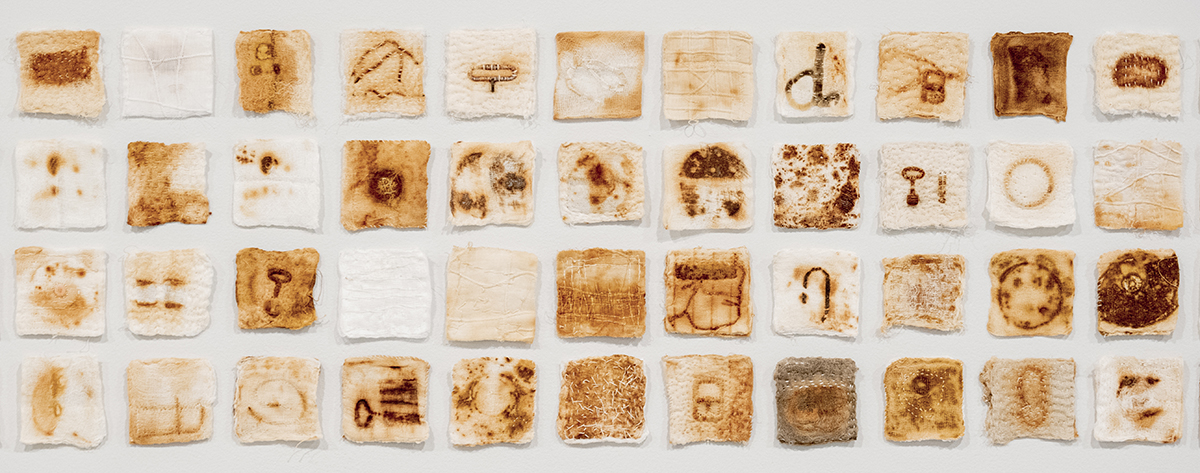
Using delicate materials and subtle forms, this piece explores memory as sacred, vulnerable and emotional. It speaks to the idea of memory preservation not through grand narratives, but through intimate, ephemeral gestures.
"Marianne is an artist based in Geraldton, on Yamaji Country, working mostly with textiles, mixed-media, sculpture, and installation. During a recent visit to her home studio, she shared with us the importance of process in her work and making sense through doing. Our conversation explored themes of healing and repair and navigating a sense of place and connection to the landscape."
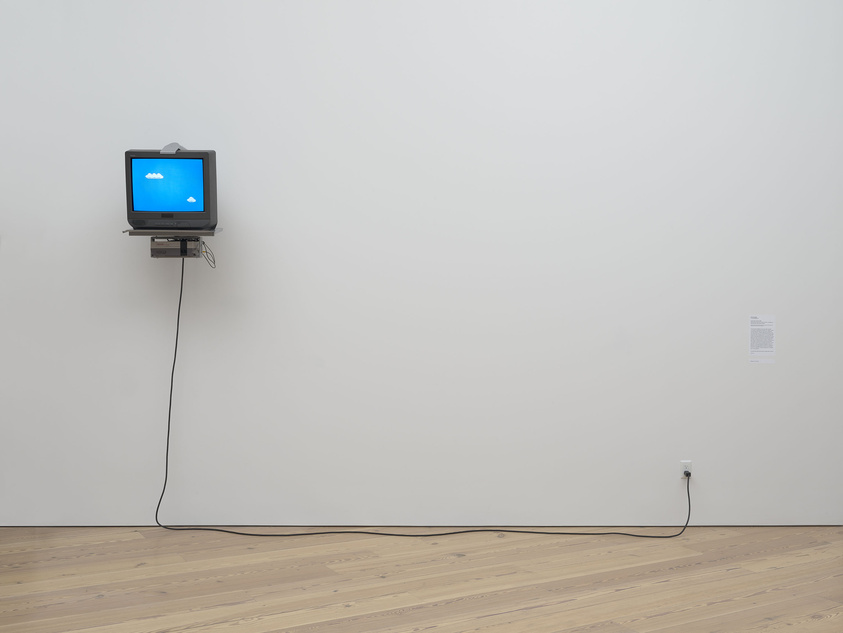
By hacking a Super Mario Bros. cartridge to leave only drifting clouds, Arcangel isolates nostalgia as residue. The game is emptied of action, reduced to atmosphere — a haunting remnant of something familiar.
"For this video installation, Cory Arcangel “hacked” a cartridge of Super Mario Brothers, the original version of the blockbuster Nintendo video game released in the United States in 1985. By tweaking the game’s code, the artist erased all of the sound and visual elements except the iconic scrolling clouds. On a formal level, the project is reminiscent of paintings that push representation toward abstraction: how many elements can be removed before the ability to discern the source is lost?"
TwiLight revives the aesthetic of early digital animation on Atari systems, yet it also shines a light on the impermanence of digital media: its survival depends on careful preservation and emulation. A screensaver that lives in limbo between past and present, it exemplifies the fragility of digital artifacts and the labor required to prevent a digital dark age.
“TwiLight was developed from 1991 to 1997 by Alvar Freude, Peter Scheerer (design and code) and Dragan Espenschied (GUI-design, graphics and sound). The software works on any ATARI TOS compatible system: TOS itself, MagiC, MagiC Mac, MagiC PC, MultiTOS, Geneva, MultiGEM and whatever else there is around. All graphics ans animations have been made between 1991 and 1993 with Degas Elite and Cyberpaint II on an ATARI ST. No object has more than 16 colors, objects belonging together have the same 16 colors.”
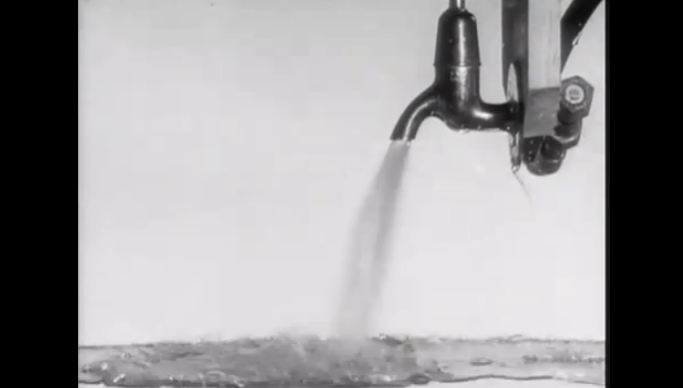
TV Interruptions: Tap Piece installs a mundane tap in the viewer’s living room broadcast, disrupting expectation and presence. By appearing unannounced and disappearing without trace, it becomes an ephemeral archive of interruption—an act of remembering through disruption.
"The transmissions were a surprise, a mystery. No explanations, no excuses. Reactions were various. I viewed one piece in an old gents' club. The TV was permanently on but the occupants were oblivious to it, reading newspapers or dozing. When the TV began to fill with water newspapers dropped, the dozing stopped. When the piece finished normal activity was resumed.”
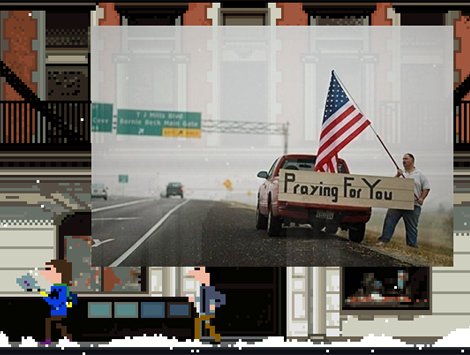
Average Shoveler reflects the overwhelming pace of digital information and the fragile, often futile, attempts to preserve it. The work embodies the vulnerability of memory, the crisis of archiving in real time, and the inevitability of loss in a system saturated by data.
“Average Shoveler is an online game which tasks the player with shoveling a path while it snows. However, each snowflake contains images taken from the daily news; the act of shoveling removes the flurry of news from the player's mind while simultaneously clearing the walkway.”
MyNovel.org transforms canonical literature into concise, four-sentence narratives that play out over animated Flash backgrounds. More than a digital collage, it invites users to contribute their own micro-novels, making them co-creators of an ever-changing textual archive. As a participatory platform, it shines a light on how digital cultural memory is constantly reshaped through lived engagement — not passive storage. It epitomizes the concept of a living archive, where content exists in flux and gains meaning only through active use and interaction.
“MyNovel.org is an interactive work that takes six classic novels (Moby Dick, Uncle Tom's Cabin, The Scarlet Letter, Lolita, 1984, and On The Road) and compresses them into four sentences apiece; these four-sentence novels play out against a shifting series of Flash background movies. At any point, if visitors wish to, they can write their own four-sentence novel by using the tools included on the site. These new novels, written by the viewers, remain on the site for others to read and interact with.”
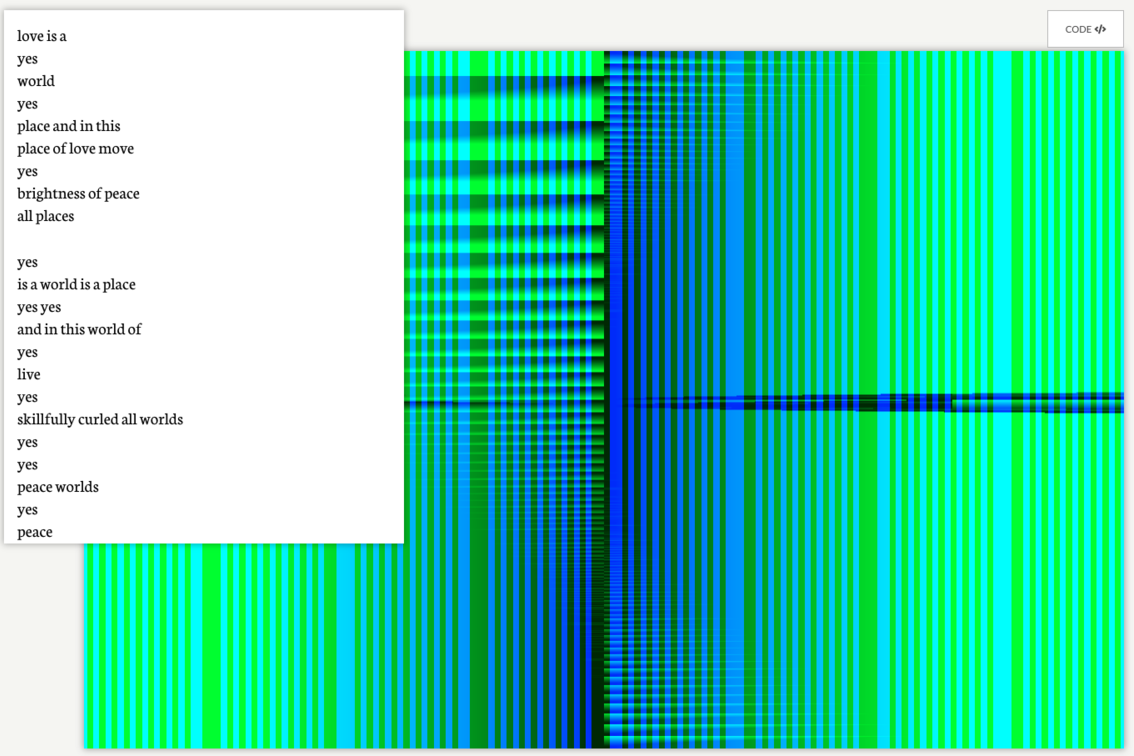
This website disrupts and distorts live web pages by injecting random glitches into their rendering. Text, images, and layout elements warp or disappear, mimicking corruption in digital systems. It shows the vulnerability of digital infrastructures, the invisible hazards of dependency on networked archives, and the way content can degrade into noise or vanish altogether. It offers a striking example of how loss and decay might manifest visually—and experientially—on the web.
“in:verse is a customizable programming language for creating visuals and animations by writing poetry. Offered via an online interface, the language allows a writer to associate words with variables and functions in order to create poems/programs that can be read and executed by human and machine, combining syntactic constraints with semantic freedom.”
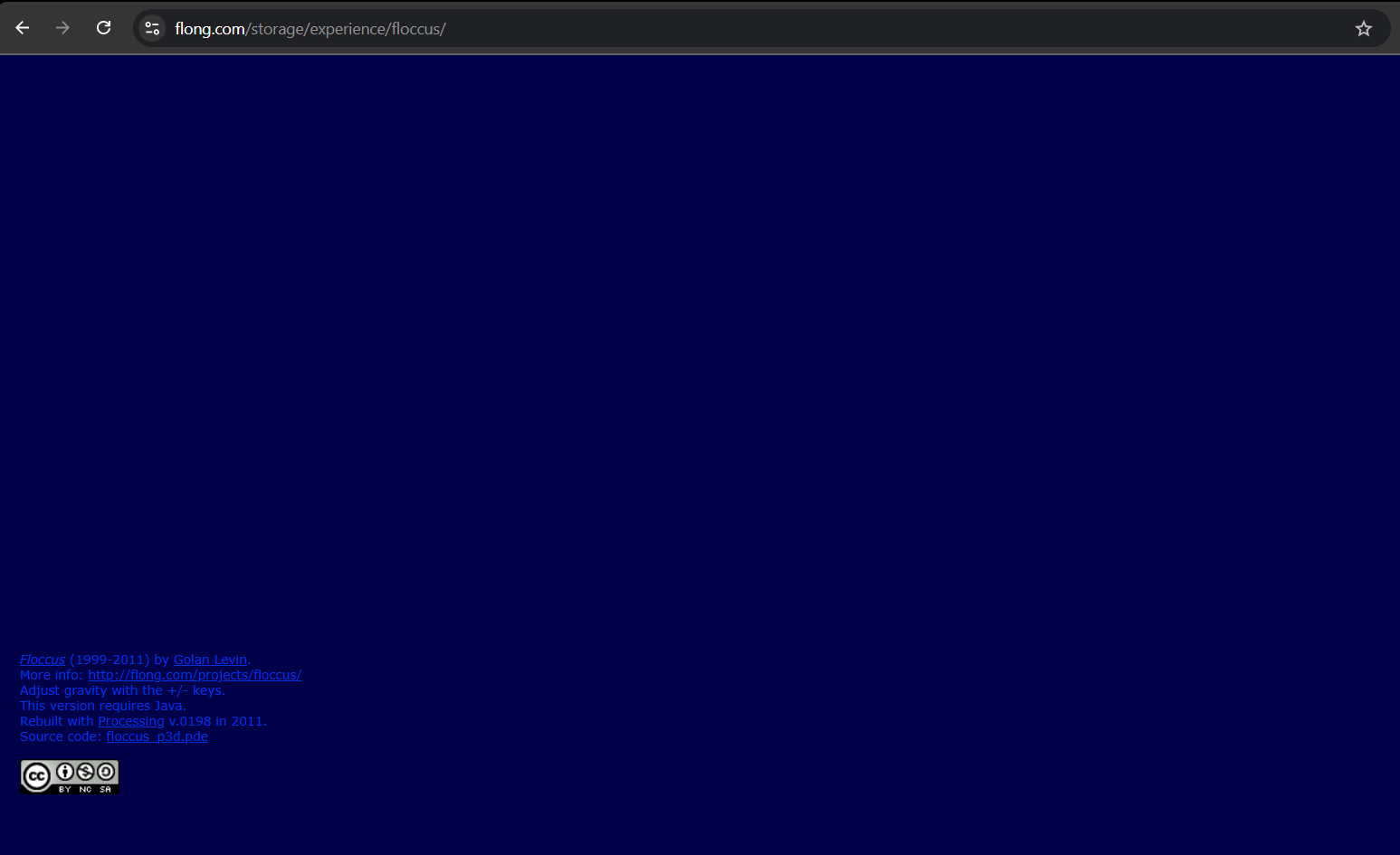
Floccus was a digital artwork that collected ephemeral browser data—such as copied text and browsing history—to explore themes of intimacy and digital traces. The original site is now inactive and only accessible through archived directories, illustrating digital decay and the fragility of online works. Its current inaccessibility positions it as a relic of a digital dark age.
“In Floccus (the name is a Latin term for "hairball"), ductile filaments drawn by the user swirl around a shifting, imaginary drain centered at the user's cursor. These filaments — torn by conflicting impulses to simultaneously preserve their length, yet also move towards or away from the cursor — find an equilibrium by forming gnarly, tangled masses.”
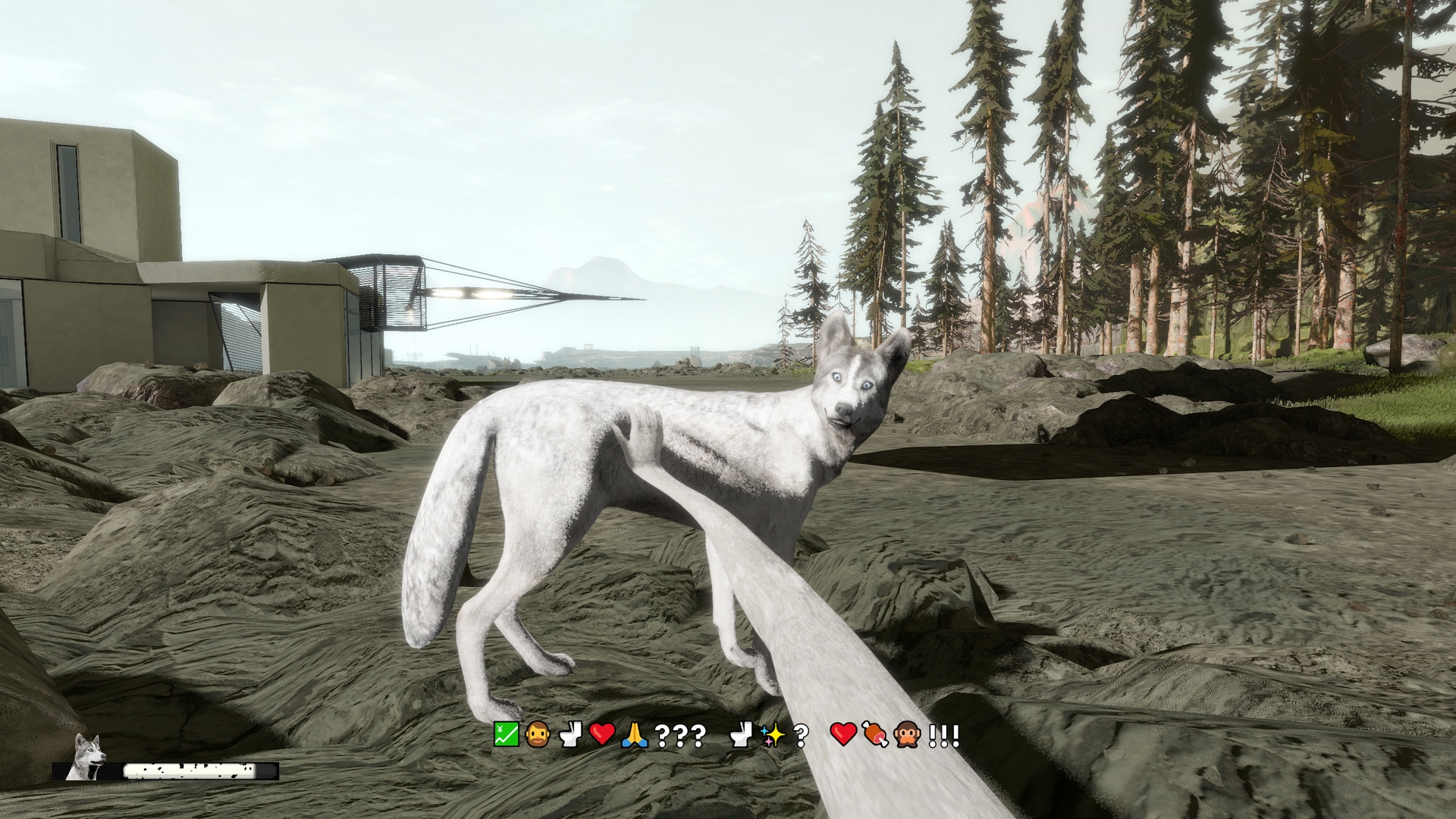
On a melancholic island, four tormented characters await intimate connection and emotional release. Their stories are held in each gesture, caress, pause—an unfolding record of grief and trust. While online and fully accessible, the experience speaks of vulnerability, of memory held in live interaction rather than static code—a living archive of fragility in digital form.
"Player Non Player is a queer game created by Jonathan Coryn that explores mature themes, such as grief, through the lens of intimacy, including sexual and gender identity, friendship and love."
— From the project description.
This site is not yet optimized for mobile. Please view on a desktop.